For all watchmaking’s mastery of the perpetual calendar, the industry’s most elaborate complication in 2026 remains the waitlist. Here’s an object engineered to outlast its first owner, which is then displayed on a website that may decline to even sell it to interested buyers. After a decade in which steel sports models behaved like small-cap securities and grown men described their boutique relationships with custodial gravity, the ceremony could stand to lose some incense. Fortunately, the watches have recovered their nerve.
The business certainly has not become monastic. Swiss watch exports rose 9.6 percent by value year over year in July, while 65 brands exhibited at Watches and Wonders Geneva in April. Even more revealing is what now shares the same display case: a 35-millimeter integrated-bracelet watch can sit beside a solar chronograph that consults satellites, while an automatic perpetual calendar handles February without human supervision. Ceramic and titanium no longer require a futurist sales pitch. Even the hourly chime, once priced for collectors with private bankers, has slipped below $5,000.
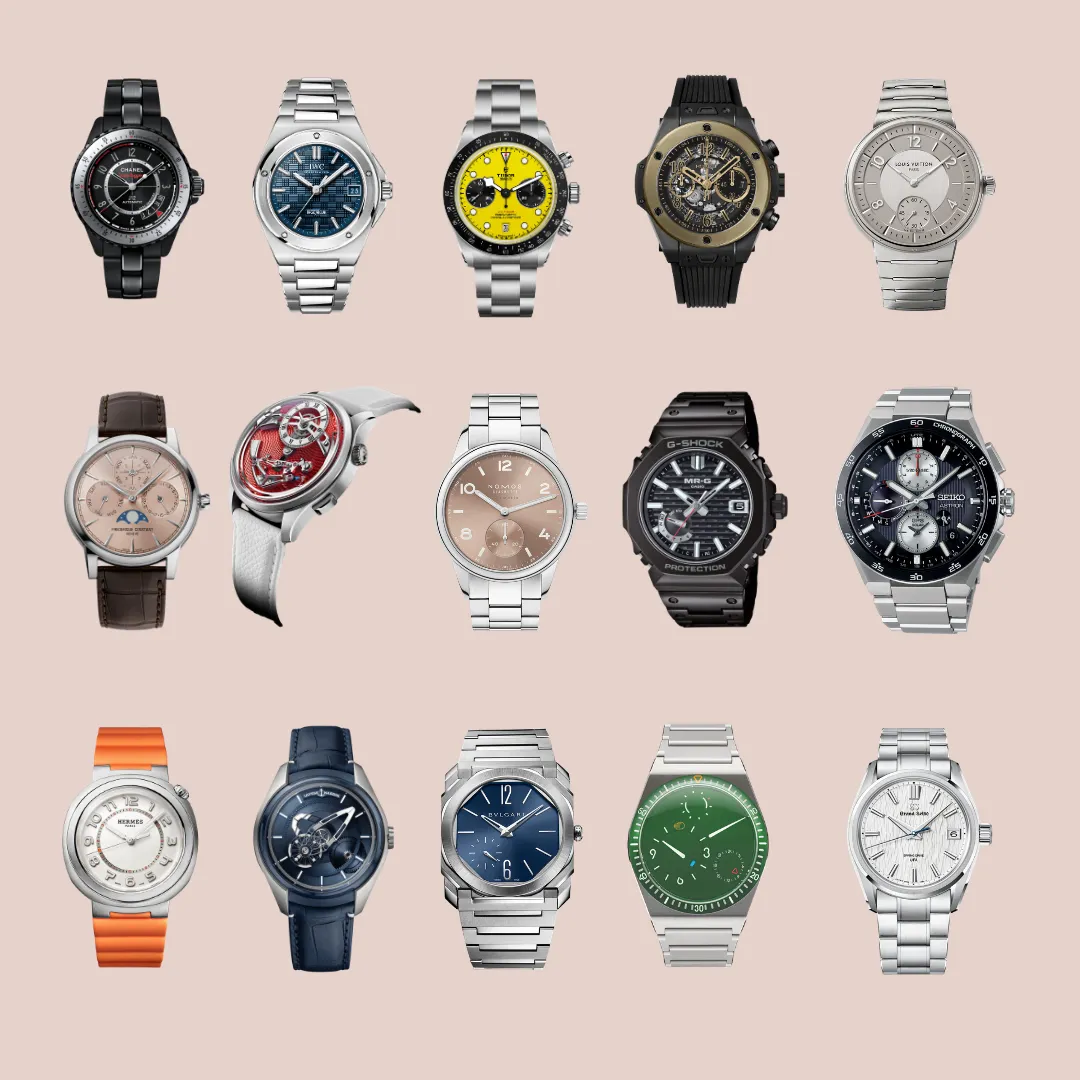
Then comes the decisive, pleasantly analog step: trying one on. Deloitte’s 2025 Swiss Watch Industry Study, the latest full edition available, found that 51 percent of respondents cited the ability to test and try on watches among their reasons for buying in stores. Diameter remains a blunt instrument. Case thickness and lug span alter the balance, while a bracelet’s first links can make 35 millimeters feel more substantial than 41 on a strap. Six of the 15 watches below debuted in 2026; the others remain current references selected for design, engineering and a real sales route, even when that route involves a telephone rather than a button.