Artiva Biotherapeutics is halting its lead cell therapy program for autoimmune disease and seeking strategic alternatives for the firm, moves that follow the report of two patient fatalities in a mid-stage trial and updated clinical data that raise questions about the viability of the therapy.
With the corporate shakeup, Artiva will lay off about 94% of its staff, the company said Tuesday. As of the end of June, the San Diego-based biotech reported its headcount was 115 full-time employees. The company said its unaudited cash position at the end of the third quarter of this year was $319.1 million. Artiva’s coming wind down is the latest in a series of recent setbacks in the field of companies working to bring cell therapy to autoimmune diseases.
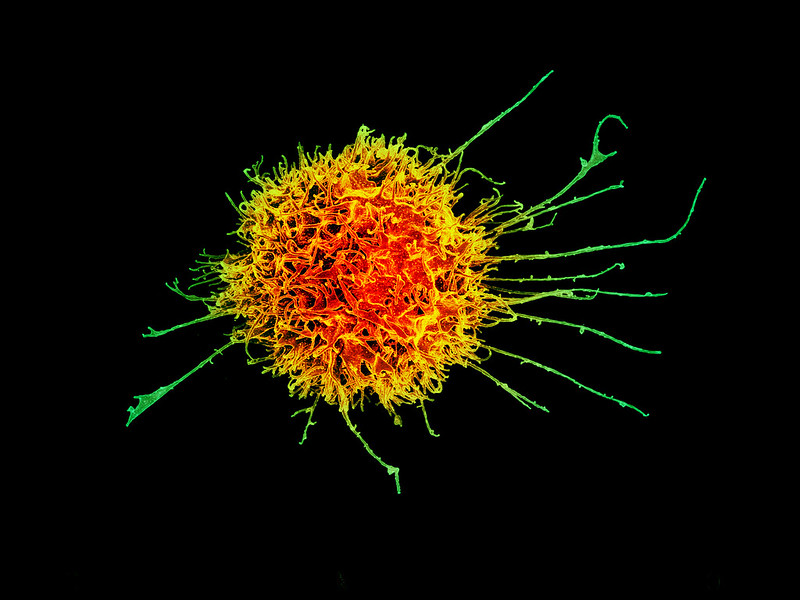
Unlike the CAR-T therapies for cancer made by engineering a patient’s own T cells, Artiva’s therapies are allogeneic, made with natural killer (NK) cells sourced from cord blood. But as in cancer, the goal in autoimmune disease is the same: deplete the B cells that drive disease.
Artiva’s lead program, AlloNK, was in development for a range of immunological indications. The fatalities disclosed Tuesday are from a mid-stage test in rheumatoid arthritis. These deaths appear unrelated to AlloNK. Standard preparation for cell therapies includes using chemotherapies to deplete a patient’s immune cells. This preconditioning regimen prevents rejection of the cell therapy and improves the chances that the therapeutic cells take hold and thrive.
Artiva said a patient in its Phase 2a study experienced a fatal neurological event after receiving AlloNK. According to the company, the investigator and an independent safety review concluded this complication was likely toxicity associated with fludarabine, a chemotherapy used in the preconditioning regimen. The fatality prompted the company to stop enrollment and dosing in the study and pause plans for the Phase 3 trial. Given widespread use of fludarabine in preconditioning regimens for cell therapies, Artiva said it intends to share additional details of the first fatality in a scientific publication.
The second fatality happened about two months after the patient received AlloNK, Artiva said. In this case, the investigator did not find that the study drug or treatment regimen was related to the death. However, the cause of death remains undetermined.
Even if AlloNK did not cause the fatalities, the therapy faces another hurdle. Artiva said updated Phase 2 data continue to show depletion of B cells and clinical activity that’s consistent with earlier reports. But the company added that longer-term follow-up data indicate AlloNK is not working well enough or long enough to support continuing development.
“Following an assessment of the risk-benefit of the therapy, likely enrollment delays and the overall development and potential commercial outlook, Artiva has decided to halt further development of AlloNK,” the company said. “No additional patients will be dosed in any ongoing AlloNK clinical study and the planned Phase 3 pivotal trial will not be initiated.”
The Artiva news is the latest in a string of safety problems that have emerged for autoimmune disease cell therapies. In late August, Novartis paused development of rap-cel after immune-related complications led to three fatalities, the company told Fierce Biotech. Last week, Bristol Myers Squibb revealed details about a patient who developed septic pneumonia and died 44 days after receiving its experimental cell therapy, zola-cel.
Artiva has engaged Leerink Partners as a financial advisor for its strategic alternatives process. Leerink analyst Daina Graybosch, who follows the allogeneic cell therapy developers Nkarta and Fate Therapeutics, said in a research note that the Artiva setback has more negative readthrough to Nkarta. Neurotoxicity is a rare but known risk associated with fludarabine, she said. Like Artiva, Nkarta’s therapy requires preconditioning, specifically with fludarabine. By contrast, Fate’s approach uses lower-intensity preconditioning that does not include fludarabine.
Going forward, Graybosch said Leerink believes physicians and investors will demand more evidence of prolonged clinical remission — greater than 12 months — to justify investment in and use of these therapies to deplete B cells in patients with autoimmune disease. She added that if these therapies do move forward, Leerink expects use will be limited to academic centers that are familiar with the complications and equipped to monitor for and manage them. These therapies could also be reserved for patients with the most severe cases. Those restrictions would limit the addressable market for a product.
Nkarta is scheduled to present Phase 1 data for its therapy, NKX0019, during the American College of Rheumatology (ACR) conference in Orlando next month. Leerink believes Nkarta’s therapy could demonstrate better efficacy than AlloNK; unlike Artiva’s approach that does not engineer the harvested NK cells, Nkarta engineers the NK cells of its therapy to bind to a protein found on pathogenic B cells. But Graybosch added that Nkarta will need to prove superiority with more data over time, and the safety concerns raised by Artiva’s program will likely make it harder to recruit patients for clinical trials.
“We anticipate elevated attention on these presentations, especially NKX019’s safety profile, following the field’s recent toxicity setbacks,” she said. “We expect to leave ACR with outstanding clinical uncertainty, as more limited patient follow-up for clinical durability will limit a satisfactory assessment of NKX019’s benefit-risk profile.”