Judicial Nominee Faces Scrutiny Over Election Stance
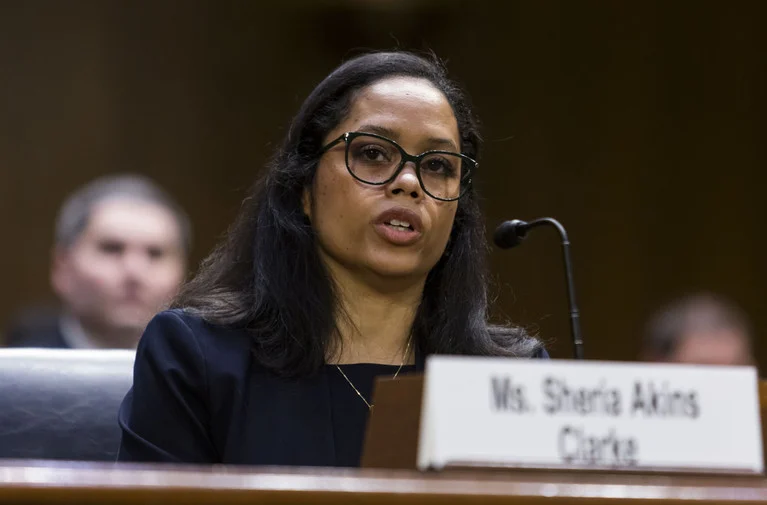
Sheria Clark, a partner at Nelson Mullins Riley & Scarborough, has emerged as a focal point of political contention following her nomination by President Donald Trump for a federal judgeship in South Carolina. During her recent confirmation hearing, Clark declined to provide a definitive answer regarding the outcome of the 2020 presidential election, a position that has drawn significant criticism from Democratic senators.
Context of the Confirmation Hearing
The confirmation hearing, a critical component of the judicial nomination process, scrutinizes a nominee’s qualifications, judicial philosophy, and views on key constitutional issues. For Clark, her reluctance to assert who won the election became a flashpoint during the proceedings. This hesitance has raised concerns among critics who argue that her position could indicate a broader reluctance to uphold electoral integrity.
Reactions from the Senate Judiciary Committee
Members of the Senate Judiciary Committee did not hold back in expressing their disapproval of Clark’s evasiveness on this fundamental question. Democratic senators emphasized the necessity for judicial nominees to adhere to principles of democracy and accountability, particularly in an era of heightened political division. They contend that a federal judge must unequivocally support the foundational aspects of American governance, including the legitimacy of elections.
Legal Implications of Nominee’s Responses
The implications of Clark’s responses extend beyond her personal beliefs; they touch upon the expectations surrounding federal judges in a democracy. Legal experts have suggested that a nominee’s failure to affirm the results of a legitimate election could compromise public trust in the judiciary. Furthermore, it raises questions about how this mindset may influence her rulings on election-related cases in the future.
Historical Context of Judicial Nominations
Judicial nominations have often been battlegrounds for political ideologies, especially in recent years. The confirmation process itself has transformed into a rigorous examination, with nominees scrutinized not only for their legal acumen but also for their potential biases. This situation underscores the growing importance of judicial nominations as they increasingly reflect wider partisan divides within Congress and the electorate.
Potential Consequences for the Nomination Process
Clark’s nomination could foreseeably face delays or challenges as it moves through the Senate. If her responses fail to satisfy bipartisan standards, this could lead to a contentious confirmation process marked by extensive debate and possibly a filibuster. Such developments would not only affect Clark’s candidacy but may also set a precedent for evaluating the integrity of future judicial nominees.
Looking Ahead: Significance of the Nomination
In light of the current political climate, the trajectory of Clark’s nomination represents a microcosm of larger societal tensions surrounding election integrity and judicial impartiality. As the Senate continues to evaluate her candidacy, the outcome may have lasting impacts on the Federal judiciary and public confidence in the rule of law. The situation warrants close observation as it encapsulates critical themes in contemporary American governance.