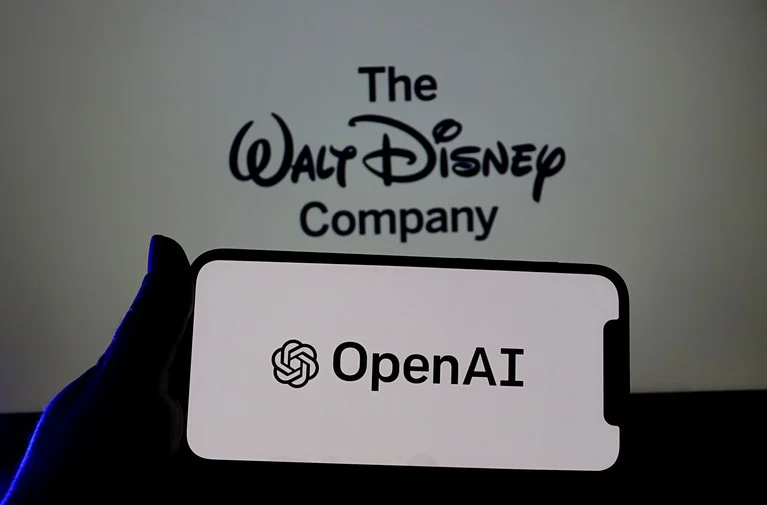
Collapse of High-Profile Partnership Raises Concerns in Legal and Business Circles
Legal experts have highlighted that the abrupt dissolution of a prominent partnership serves to underscore the inherent risks associated with informal agreements, particularly in the context of evolving corporate priorities. This situation has arisen as OpenAI, a leading player in the artificial intelligence sector, shifts its focus toward a potential Initial Public Offering (IPO) projected for 2026.
Among the critical issues that have emerged from this collapse are the ambiguities in partnership agreements and the dynamics of corporate governance. Legal analysts note that a lack of formalized arrangements can lead to significant liabilities and misunderstandings, particularly when strategic priorities change swiftly. This situation reflects a broader trend in the tech industry where businesses are compelled to adapt rapidly to market demands, often at the expense of thorough contractual safeguards.
The implications for stakeholders in the partnership are significant. Investors and employees alike may face uncertainty as they navigate the aftermath of this dissolution. With OpenAI positioning itself for a public offering, clarity and stability in its operational framework become increasingly vital. Legal practitioners suggest that firms in similar sectors should adopt more rigorous contract management practices to mitigate potential risks.
Moreover, the timing of this partnership’s collapse raises questions about the strategic foresight of the companies involved. Legal experts argue that an effective partnership should include mechanisms for conflict resolution and renegotiation, particularly in industries characterized by rapid technological advancements. As OpenAI prepares for its IPO, maintaining investor confidence will be critical. Stakeholders will likely scrutinize the company’s governance practices closely, demanding transparency and accountability.
The overarching narrative also taps into broader discussions about corporate responsibility and stakeholder engagement in the tech industry. As partnerships dissolve, affected parties, including customers and business partners, may seek recourse through legal avenues if they believe their interests have been compromised. This scenario underscores the necessity for robust legal frameworks in partnership agreements to protect against such eventualities.
In conclusion, this high-profile case serves as a cautionary tale for companies navigating the complex landscape of tech partnerships. The legal community is advised to emphasize the importance of detailed agreements and proactive risk management strategies, particularly as firms such as OpenAI prepare for significant financial milestones. The lessons derived from this dissolution will likely resonate throughout the industry, prompting a reevaluation of partnership protocols and corporate governance strategies.
