Five Republicans are competing for their party’s nomination in House District 100, the only GOP-held House seat located entirely within Broward County. The coastal district stretches from Fort Lauderdale to Deerfield Beach.
Incumbent Rep. Chip LaMarca won re-election in 2024 with 57% of the vote but is term-limited. Yoni Anijar, Raul Gallon, Eric “Doc” Stelnicki and Chris Vincent are seeking to succeed him.
Democrat Michael Ferguson awaits the GOP nominee in November.
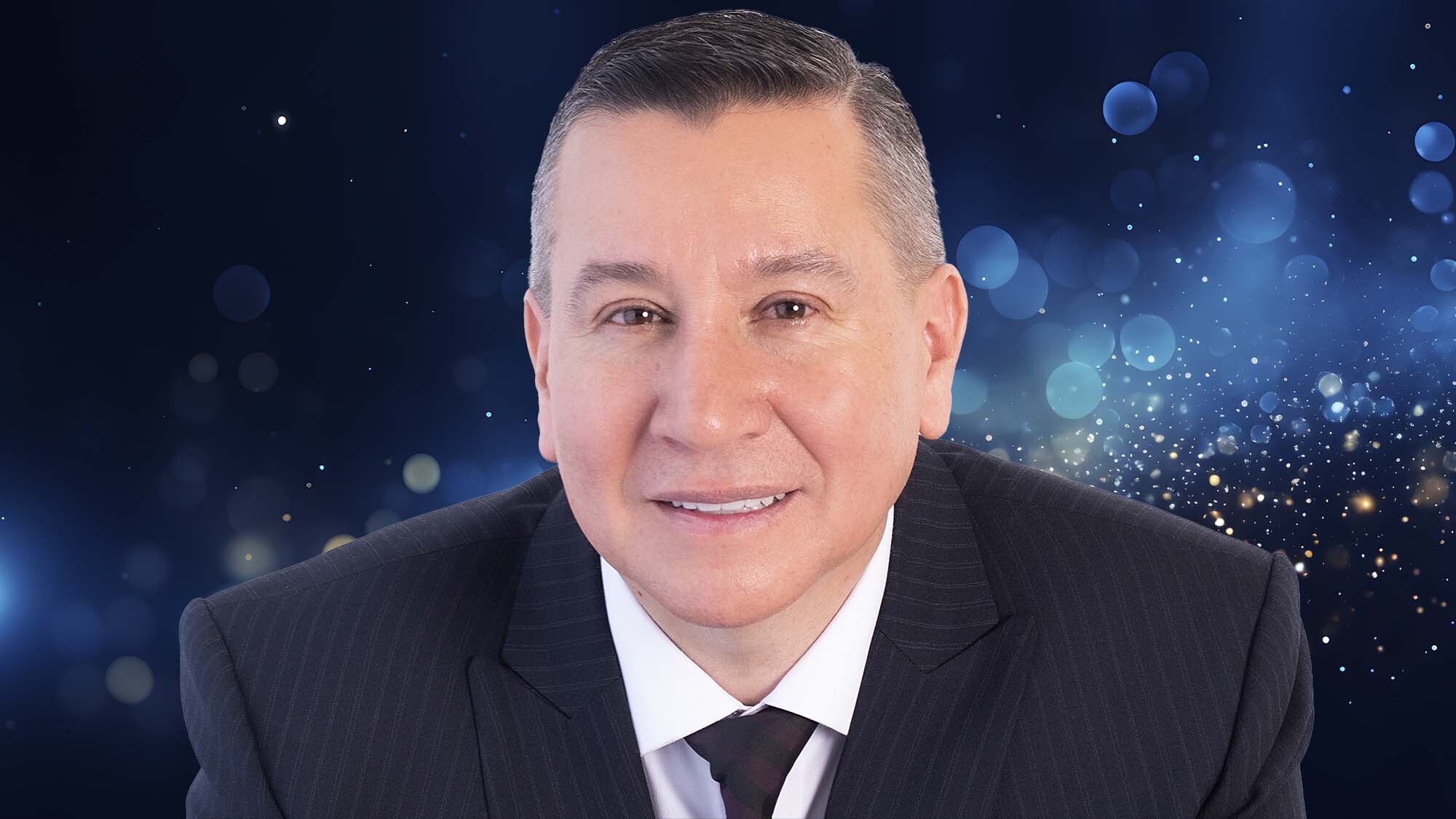
Florida Politics asked all Republican Primary candidates to answer a few questions about the race. We are publishing their responses unedited so voters can hear directly from candidates. Here’s what Gallon told us:
— Profession: Founder of G&G Insurance Adjusters Inc., a licensed adjusting firm with over 750 adjusters across 19 states, and I have spent 25 years inside the property insurance industry, personally handling more than 15,000 claims for carriers including AIG, Citizens, and Zurich.
— Education: I graduated from Broward College in 1999 with a general education degree and ESOL certification, then earned a Bachelor of Science in Business Administration with a minor in International Economics from Florida Atlantic University in 2001.
— Years in the district: I have lived in Fort Lauderdale for over 20 years.
— Community involvement: I am a member of St. Anthony Catholic Church in Fort Lauderdale and active in the Hispanic community in Pompano Beach. Throughout this campaign, I have walked neighborhoods and spoken directly with residents in Coral Ridge, Victoria Park, Rio Vista, Lighthouse Point, and communities across District 100, listening to their concerns about insurance costs, overdevelopment, and rising taxes. As a small business owner and father of two young children, I am deeply invested in the future of our schools, public spaces, and neighborhoods. Serving this community is not something I started for a campaign. It is how I live.
— Why are you running? What are your top priorities if elected? I am running because District 100 deserves a representative who actually understands the two issues families here bring up more than anything else: property insurance and overdevelopment. I spent 25 years working inside the insurance industry, handling claims and building a company with more than 750 licensed adjusters across 19 states. I know exactly how carriers make decisions, where premiums come from, and why families keep getting left behind. My top priorities are reforming property insurance by stopping wrongful claim denials and cracking down on fraud, fighting overdevelopment that outpaces our roads, drainage, and emergency services, and delivering property tax relief to keep families in their homes.
— What about your background and experience makes you most qualified and best positioned to represent this district? No one else in this race has spent a career inside the system they are trying to fix. My opponents can talk about insurance reform, but none of them have lived it. I have handled claims on behalf of carriers, built a licensed adjusting company from the ground up, and seen firsthand how the process works from the inside. That real world experience is exactly what the Insurance and Banking Subcommittee needs, and it is exactly what District 100 needs in Tallahassee. I also came to this country from Bogota, Colombia in 1995, worked as a busboy and valet, put myself through college, and built a business. I know what it takes to earn everything from scratch, and I will bring that same grit to this job.

— What are the biggest local challenges facing the district, and what can you realistically do about them if elected? Property insurance is the number one issue. Premiums are out of control, and too many families are getting hit with denied claims when they need coverage most. I will push legislation to stop wrongful denials, crack down on insurance fraud driving up costs for everyone, and seek a seat on the Insurance and Banking Subcommittee, where no current member has real industry experience. Overdevelopment is the second biggest challenge. Growth is outpacing roads, drainage, and flood mitigation in Fort Lauderdale, Pompano Beach, and Lighthouse Point. I will fight for stronger infrastructure impact reviews before new projects break ground, so our communities are not overwhelmed. Property taxes round out the top three. Rising assessments are compounding the insurance squeeze, and I support Amendment 3 to expand the homestead exemption and deliver real relief.
— The cost of groceries, gas, housing and utilities is top of mind for voters right now. What specific policies do you propose to make life more affordable for constituents? Affordability in South Florida starts with the two biggest line items crushing families: insurance and property taxes. I will use my 25 years of industry experience to push reforms that bring premiums down by holding carriers accountable on claims handling and eliminating the fraud that inflates costs for everyone. I support Amendment 3 to expand the homestead exemption, which will deliver direct property tax relief. On housing, I support streamlining permitting for workforce housing, incentivizing builders to include affordable units in new projects, and strengthening the Live Local Act so it works in built out urban communities like ours, not just greenfield developments. I also support cutting red tape for small businesses by reducing permitting timelines and unnecessary state regulation, so local employers can grow, hire, and keep costs down for consumers.
— A majority of Floridians backed Amendments 3 and 4 in 2024, though neither reached 60% support. Should Florida loosen restrictions on abortion or legalize recreational marijuana? On abortion, I support Florida’s current law. Abortion is legal up to six weeks, with exceptions through 15 weeks for rape, incest, and human trafficking, and additional exceptions for fatal fetal abnormality and to save the mother’s life. This balances protecting life with compassion for victims. The voters weighed in on Amendment 4 and it did not reach the 60% threshold required to change the constitution. I respect that result.
On recreational marijuana, I do not support legalization. Marijuana is a gateway to harder, more dangerous substances, and as a father of two young children, I do not want my kids or any family in this district exposed to that environment. Amendment 3 also failed to reach 60%, and I believe the voters got it right. Florida already has a medical marijuana program for patients who need it. Legalizing recreational use raises serious concerns about public safety, youth exposure, and the message it sends to our communities.
— Many counties have recently enacted data center bans and moratoriums, but our use of AI tools continues to grow. Is there a place for data centers anywhere in Florida, or should other states host the infrastructure that powers AI? Florida should not cede an entire industry to other states. Data centers bring jobs, tax revenue, and keep Florida competitive in the tech economy. But location matters. These facilities consume enormous amounts of water and power, and they need to be sited in areas with the right infrastructure, not dropped into residential neighborhoods or environmentally sensitive areas. The moratoriums some counties have passed reflect real concerns from residents about noise, water use, and strain on local utilities, and those concerns are valid. The answer is smart zoning and infrastructure requirements, not blanket bans. If we get the siting right, data centers can be part of Florida’s economic future without compromising quality of life.
— Do you believe recent property insurance reforms have been enough, or are additional changes needed? Additional changes are absolutely needed. The 2022 and 2023 reforms were a strong start, reducing frivolous litigation and bringing new carriers into the market. But premiums are still too high, and families are still getting legitimate claims denied or underpaid. With 25 years inside this industry, I know where the gaps are. We need legislation ensuring no AI system can be the sole basis for denying a claim, stronger enforcement of claims handling standards already on the books, and continued vigilance against fraud on both sides. Reform is not finished until families can afford their premiums and trust that their coverage will be there when they need it.
— Some Floridians complain that rapid population growth is making Florida less affordable. How do you balance economic growth and development with protecting quality of life for existing residents? Growth is not the enemy, but unchecked growth is. In District 100, new construction is being approved without adequate consideration of its impact on our roads, drainage, and emergency services. I will fight for stronger infrastructure impact reviews before projects break ground and ensure developers, not taxpayers, pay their fair share. Local governments also need real authority over zoning and density. The state has gone too far with preemption on growth and development. Our cities know their communities best and should retain the ability to manage how and where growth happens.
— Is the Republican majority in the Legislature focused on the right priorities? Is there any issue on which you disagree with your party? The Republican majority has delivered important wins: election integrity, fiscal discipline, school choice, and standing up for law enforcement. I support those efforts. Where I believe the Legislature could do more is on property insurance and overdevelopment, the two issues that keep families in District 100 up at night. Insurance reform got a strong start in 2022, but the job is not finished, and I do not think enough legislators with real industry experience are pushing to close the remaining gaps.
— Looking ahead to the 2027 legislative session, what is a bill you would personally want to sponsor? I would sponsor a bill focused on two things: reforming the claims handling system and creating a mandatory audit process for how insurance companies transfer money to affiliated companies. Right now, carriers can shift funds to subsidiaries and related entities in ways that inflate operating costs, and those inflated costs get passed directly to policyholders through higher premiums.
My bill would require transparent reporting of all affiliate transactions, give regulators the tools to audit whether those transfers are legitimate business expenses or a way to justify premium increases, and establish a state oversight platform that tracks whether carriers are following legal procedures and where the money is actually going. Think of it as a fiscal watchdog system that holds insurers accountable in real time, not just after the damage is done.
On claims handling, the bill would require that every claim denial be reviewed and signed off by a qualified, licensed human expert professional. This bill builds on HB 527, which died in committee this past session. I would bring it back with the audit and oversight components added, because after 25 years inside this industry, I know that premiums will not come down until we follow the money.
