With summer in the rear-view mirror, it’s time to begin that fall-to-winter arc — and you may want to put getting your vaccine shots at the top of your to-do list.
The season for flu and RSV, or respiratory syncytial virus, typically runs from October through May, peaking between December and January, according to the U.S. Centers for Disease Control and Prevention. Flu shots are available now at most pharmacies and healthcare providers near you.
Meanwhile, COVID-19 has peaked about twice a year since the 2020 outbreak: once in the summer and again in the winter. New York City data shows emergency room visits for COVID-19 have ticked up since late June, consistent with a summer spike.
Experts say getting vaccinated is as important for protecting yourself from infectious disease as it is for protecting others.
“The thing I always like to advise is it’s not just you but it’s also the people that you live with and your loved ones,” said Dr. Kaylan Christianer, a physician and professor of medicine at Columbia University Irving Medical Center.
Before you book your shot, here’s what New Yorkers should know.
Can I Get Shots? Who’s Eligible for Vaccines This Year?
If you’re unsure about how or when to get your shots this year, it’s understandable: Amid major overhauls at the CDC, the agency has not yet issued new COVID-19 guidance, and it’s not yet clear if it will.
A handful of national medical associations have stepped in to publish their own COVID-19 vaccine guidance. The New York City and State Health Departments have aligned their guidance with these organizations’ advice, decoupling from CDC advice, which as of 2025 recommends only older adults and people with underlying health conditions default to getting the vaccine.
The full respiratory virus vaccine guidance New York now relies on is available here. It recommends all adults get an annual COVID-19 shot.
Still, if you’re booking a COVID-19 vaccine in New York City with a national pharmacy company, such as Walgreens, you may run into eligibility questions.
“The reality is, in New York State, you can legally get a COVID vaccine even if you don’t have one of the underlying risk factors,” epidemiologist Dr. Marisa Donnelly told The City Reporter. “But in practice, in order to schedule an appointment through one of these national company websites, you likely do have to click one of those buttons that says you have a risk factor, even though it’s not necessary.”
For flu shots, experts advise that New Yorkers 6 months or older get the updated shot every year.
For RSV, eligibility is a bit more complicated. Read more below for specifics.
Should I Get a Flu, COVID-19 or RSV Shot?
It depends. And for the COVID-19 vaccine, New York State and City guidelines differ from federal ones. Here are the basics on each shot.
Flu
For New Yorkers aged 6 months and older, an annual flu shot is your best way to protect against the seasonal sickness, according to the city’s Health Department. The vaccine is the best way to reduce your chances of contracting the virus and experiencing any complications that can lead to hospitalization or, in severe cases, even death.
The virus is constantly evolving, so a new shot is administered every year — which is why experts say you should stay up to date.
From July until the end of the year, all children from 6 to 59 months old must get the flu shot if they attend daycare, Head Start, pre-K, 2K or nursery school, according to city health officials.
If you’re at higher risk for severe illness or complications from the flu, it’s even more important to get the vaccine annually. Vulnerable groups include children, seniors, pregnant people and people with underlying medical conditions.
If you’re a healthcare worker or caregiver who works with these groups, the same logic applies.
RSV
RSV vaccines are recommended for infants at birth, babies in certain risk groups or whose parent did not receive the vaccine during pregnancy, people aged 50 to 74 in certain risk groups and adults 75 and older.
For more information on eligibility for RSV vaccines, read more here from the city Health Department.
Your pharmacy or provider will likely ask you to self-identify your eligibility before administering the RSV shot.

COVID-19
Some national providers, including Duane Reade and its parent company Walgreens, are asking New Yorkers to self-identify their eligibility for the COVID-19 vaccine, but anyone who wants the shot in New York State should be able to get one.
Walgreens’ online pharmacy portal asks patients to confirm they are at “high risk for severe COVID-19,” which the CDC defines as older adults, people with underlying medical conditions, people with disabilities and other groups.
A spokesperson for Walgreens said it will offer the new COVID-19 vaccine to adults ages 65 and older, as well as people under 65 who are at higher risk for severe outcomes from the disease, “as determined by the CDC.” The spokesperson said anyone with questions about their eligibility should speak with their pharmacist.
CVS’ online portal contains a tab listing conditions the CDC says may put patients at higher risk for severe COVID-19. Amy Thibault, a spokesperson for the company, said the pharmacy offers COVID-19 vaccines based on state regulations, adding that a patient’s pharmacist or provider can help them make an informed decision.
The vaccine is “proven to reduce the risk of severe complications from COVID-19, including hospitalization, death and long COVID,” according to the city Health Department. But it’s especially important for babies, older people, people who are pregnant or postpartum or anyone with an underlying health condition.
Dr. Donnelly recommended people get a COVID-19 shot alongside a flu shot in preparation for the winter, but if you’ve recently had the disease, it’s best to wait about four to five months to get that vaccine so it boosts your immunity more.
Like the flu shot, a new version of the COVID-19 vaccine comes out every year, making it critical important to stay up to date on your vaccinations.
“Having a better match means that the vaccine is more likely to be effective,” Dr. Christianer said.
Where Can I Get the Vaccines?
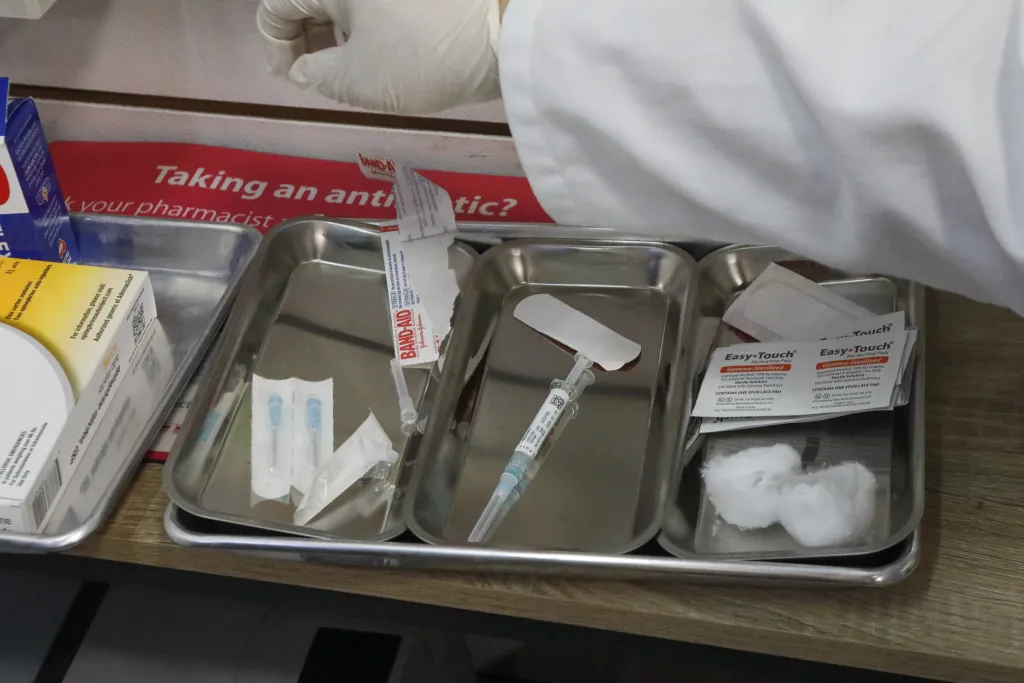
Most pharmacies and healthcare providers offer the vaccines, and most health insurance providers cover the cost without a copay.
New Yorkers without health insurance can receive low- or no-cost vaccines at city Health + Hospitals sites, or use the NYC Health Map to find providers who administer the shots for free.
Health + Hospitals sites will begin administering the COVID-19 vaccine in early October, spokesperson Stephanie Buhle said.
Are There Side Effects?
Side effects for the COVID-19 vaccine can include a headache, muscle aches, sore arm, fever or swollen glands under the arm, but all usually go away within a few days, according to the American Medical Association.
For the flu and RSV shots, side effects look primarily the same, but the RSV vaccine may come with muscle and joint pain, nausea and diarrhea.
Our nonprofit newsroom relies on donations from readers to sustain our local reporting and keep it free for all New Yorkers. Donate to THE CITY today.
The post What To Know About COVID-19, Flu and RSV Vaccines for Sick Season in New York appeared first on The City Reporter.