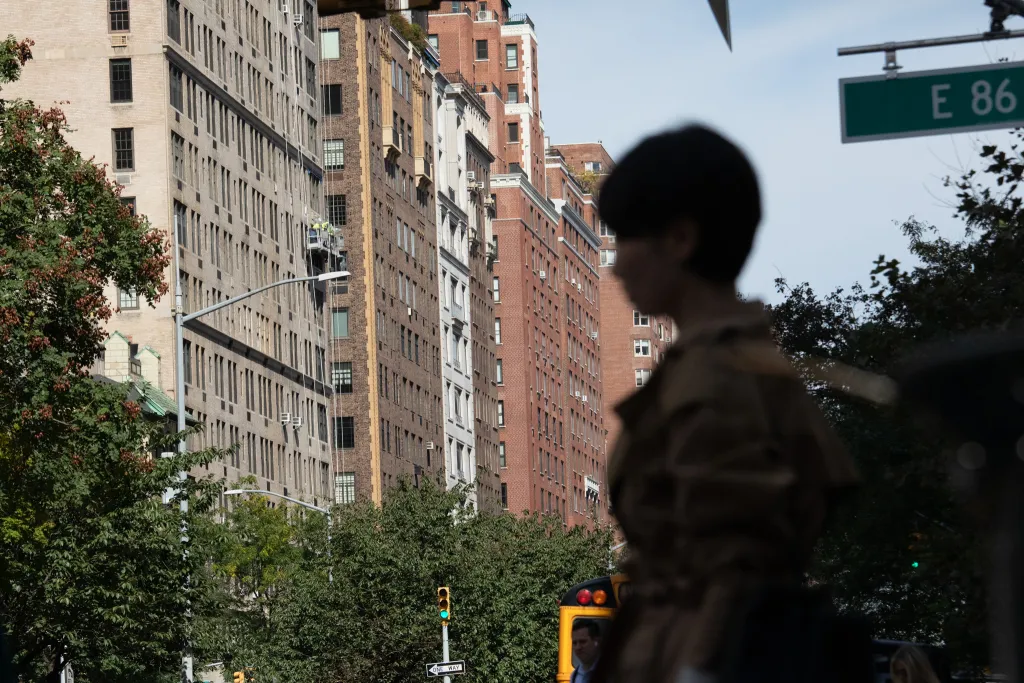
What do the Upper East Side, Maspeth and the middle of Staten Island all have in common?
They’re three of the 12 community districts the city has officially designated as having the worst affordable housing droughts in New York City.
By city officials’ count, those areas have in the past five years produced the least amount of affordable housing relative to their individual housing stock. Because of that, each neighborhood will be subject to a quicker housing approval process come January, part of a citywide strategy to speed up affordable housing development.
How few under-market-rate homes and apartments get built in those dozen neighborhoods that made the least-housing list is striking. Just 1% of the city’s affordable housing stock came from those dozen community districts in the five years analyzed by the city’s Planning Department. That’s equal to 724 out of nearly 66,000 apartments, or an average of 12 homes per district annually.
By contrast, the top 12 districts — most of them in The Bronx — produced more than half of the city’s new affordable housing stock in the same period, according to city figures.
(function(){function e(){window.addEventListener(`message`,function(e){if(e.data[`datawrapper-height`]!==void 0){var t=document.querySelectorAll(`iframe`);for(var n in e.data[`datawrapper-height`])for(var r=0,i;i=t[r];r++)if(i.contentWindow===e.source){var a=e.data[`datawrapper-height`][n]+`px`;i.style.height=a}}})}e()})();
Due to voter-approved city charter revisions, new projects containing affordable apartments in those 12 districts will undergo a quicker approval process if they require a land-use change. The “fast-track” process includes a truncated review period and the ability to bypass the City Council for approvals. Instead, the City Planning Commission would give the final thumbs up or down to those projects.
“If we want to be a city that helps undo the patterns of segregation, that makes sure that New Yorkers have choice about where they live, we can’t concentrate affordable housing in just a handful of neighborhoods,” said Sideya Sherman, Department of City Planning director and CPC chair, during a Wednesday briefing with reporters.
“This is a way for us as a city to make sure we’re focused on speeding up affordable housing in the communities where we see production lagging,” she added.
Mayor Zohran Mamdani has set a goal of creating 200,000 affordable housing units over a decade. In another five years, DCP will run the numbers again and reassess community districts based on growth.
Some Politicians Are ‘Livid’ About the List
Some of the bottom-12 districts, including the Upper East and West sides, are quite dense. Others are less so and feature more stand-alone homes and yards than big apartment buildings.
Councilmember Gale Brewer (D-Manhattan) said she disagreed with the city’s determination for her district and was “livid.”
“We have tons of affordable housing and we want more,” she said, noting the Upper West Side has single-room occupancy housing and several recent affordable projects.
Proponents of the fast-track measure contend it will help create new homes as the city grapples with a dire housing crunch. They point to certain districts that have long rejected new development and argue the looming distaste for new housing in those areas prevented developers from proposing any new housing in the first place.
Meanwhile, local councilmembers — who represent districts similar to but not perfectly overlapping with community districts — staunchly opposed the measure, saying it would take away their leverage in negotiations with developers.

Councilmember Frank Morano (D-Staten Island) said the new measures voters approved in November worried him because they’d reduce local autonomy over community development.
“My concern is this is going to put a bullseye on our district for developers who may not have the best interest of the district at heart and may transform this district into the exact opposite of the community that people moved to when they moved here,” he said.
Some Council members who will lose the final say over real estate projects in their districts have tried to get ahead of their expected loss of power.
Councilmember Kayla Santosuosso (D-Brooklyn), who represents Bay Ridge, Coney Island and parts of Dyker Heights and Gravesend, is developing a plan to allow more housing in a centrally located, largely commercial part of Bay Ridge in hopes of steering new construction and investments there, as The City Reporter previously detailed.
“The charter changes … draw a lot of attention to the fact that Bay Ridge really hasn’t built a ton of housing and certainly not affordable housing in the last five to 10 years,” Santosuosso said earlier this month. “If we have to build somewhere in the neighborhood, this is where we could stand to build and this is the part of the neighborhood that would actually be improved by some more housing.”
‘It’s Going To Need to Ramp Up’
The Department of City Planning does not have projections of how much housing could be produced as a result of the fast-track measure, but would begin to look at each district for “potential city-led actions,” Sherman said.
“We’re confident that all of these neighborhoods have an opportunity to grow and can benefit from growth,” she said. “I would just note that people who live in fast-track neighborhoods are also impacted by a lack of affordable housing, right? This impacts people’s ability to grow their families within their own community or for your children or your grandchildren to stay in the neighborhood.”
DCP is already pursuing a rezoning to allow more housing along two major avenues just south of Prospect Park, in Kensington. The rezoning area is within one of the bottom-12 districts, which also include Borough Park.
How developers will respond to the apparently easier process for building new housing in these districts — where new housing has been scarce in recent years — remains to be seen.
“I do expect a little bit of a learning curve for this new paradigm,” said Moses Gates, vice president for housing and neighborhood planning at the nonprofit Regional Plan Association. “People are going to want proof of concept. It’s going to need to ramp up.”
Our nonprofit newsroom relies on donations from readers to sustain our local reporting and keep it free for all New Yorkers. Donate to THE CITY today.
The post The 12 Neighborhoods the Mamdani Administration Is Targeting for More Affordable Housing appeared first on The City Reporter.
