MoMA was born from feminine audacity. Before the white walls became myth, before masterpieces drew pilgrims from every corner of the world, and before modernism became institutional currency, three women dared to imagine a museum devoted to the future. Abby Aldrich Rockefeller, Lillie P. Bliss, and Mary Quinn Sullivan understood that culture does not advance by permission. It moves through taste, conviction, capital, nerve, and the occasional act of elegant insurrection.
With this in mind, The Museum of Modern Art has never been merely a temple of culture. It began, arguably, as a revolution dripping in diamonds, a beautifully mannered revolt against the old guard’s suspicion of modern art. That origin story matters during Party in the Garden, where the institution’s founding voltage seems to rise again through music, sculpture, champagne, flashbulbs, and the glittering social theater of New York at play.
Most of us, whether we admit it or not, are always longing for old New York. Not the sanitized nostalgia sold back to us in postcards, but the real mythology of it: artists, patrons, collectors, comedians, downtown beauties, uptown power players, editors, dancers, designers, and magnificent strangers finding their way beneath the same lights. The kind of night where the disco ball fractures everyone into something more cinematic, the bass travels through the ribs, and status briefly dissolves into rhythm.


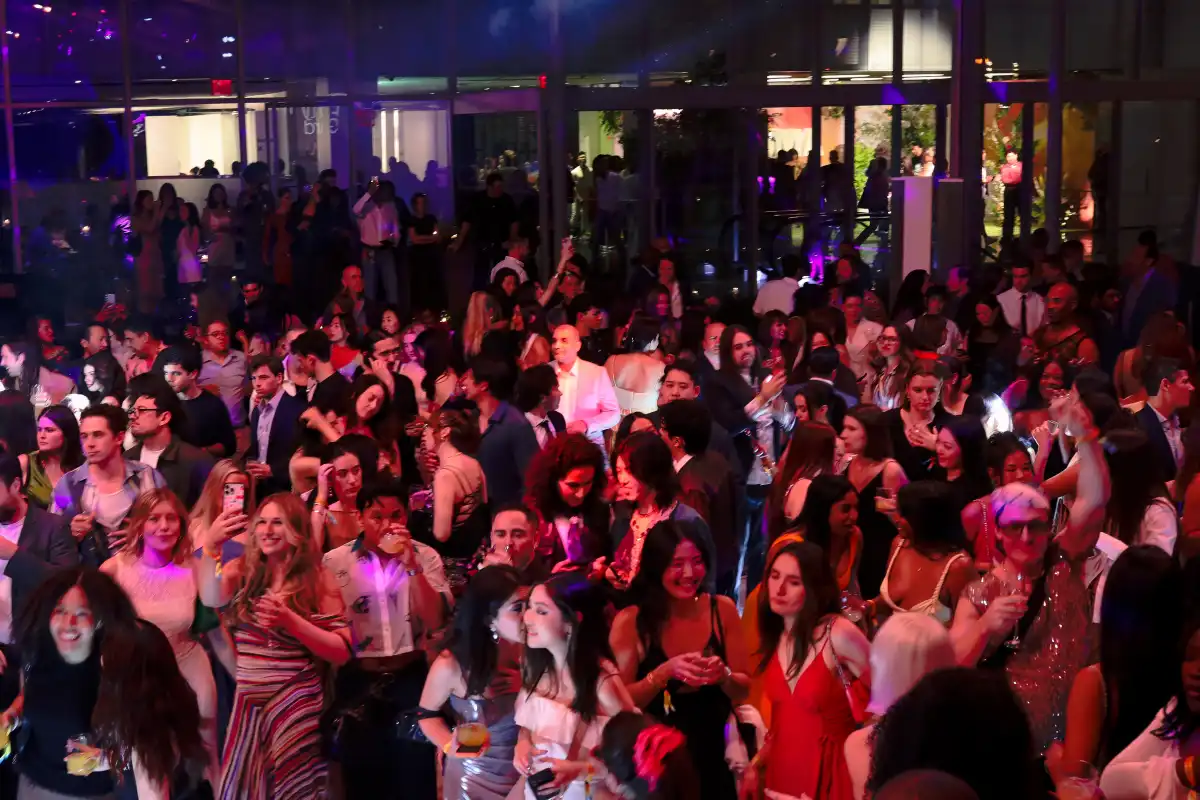
This week, MoMA’s annual Party in the Garden caught that current and made it shimmer. The Abby Aldrich Rockefeller Sculpture Garden and The Modern became one of the hottest gatherings of the year, with summer arriving not politely, but through bare shoulders, sharp glances, thumping sound, and sculpture glowing like silent witnesses. Under the rumble, beneath the glamour, behind every perfectly lit exchange, there was something more provocative at work: a women-founded institution reminding New York that power can be severe, seductive, and public-facing all at once.
The evening honored artists Betye Saar and Martin Puryear, along with philanthropist Jo Carole Lauder, giving the night real gravity beneath the shine. Saar and Puryear are not artists one honors casually. Saar’s fierce, mystical, politically charged assemblages have reshaped the language of memory, race, gender, and spiritual force. Puryear’s sculptural practice, conversely, carries the authority of material intelligence, craft, and monumentality. Lauder’s recognition added a necessary reminder that cultural stewardship requires more than admiration. It demands commitment, infrastructure, and the sustained labor that allows great institutions to remain alive.
That mission mattered, of course, since the benefit supported MoMA’s general operating fund, including learning and engagement programs, along with the care, study, and exhibition of the museum’s collection. Yet the spell of the night lived in the way purpose arrived wrapped in pleasure. Arguably, this is where MoMA’s founding DNA still pulses. A museum first envisioned by women bold enough to challenge cultural conservatism should know how to make seriousness feel glamorous, and glamour feel intellectually dangerous.
The dinner drew an extraordinary constellation, including Christophe Cherix, Sarah Arison, Marie-Josée Kravis, Betye Saar, Martin Puryear, Jo Carole Lauder, Derrick Adams, Firelei Báez, Thelma Golden, Rashid Johnson, Louise Lawler, An-My Lê, Glenn Ligon, Julie Mehretu, Tyler Mitchell, Antwaun Sargent, Sable Elyse Smith, Hank Willis Thomas, Carrie Mae Weems, Leo Villareal, Yvonne Force Villareal, Michael Bloomberg, Ronald Lauder, Aerin Lauder, Jane Lauder, Darren Walker, Danny Meyer, Lizzie Tisch, Alice Tisch, and others. It was, unsurprisingly, the kind of room that makes New York feel like New York at full tilt: dense with money, intellect, beauty, command, and the unmistakable hum of people who understand the stakes of proximity.


The after-party moved the evening into a more electric register. The Sculpture Garden shifted from modernist sanctuary into nocturnal playground, with bodies in motion and music pressing against the architecture. The garden’s great works held their ground as the party swirled around them, creating that rare sensation of history watching pleasure unfold. The Modern carried the same charge, polished and mischievous, as though the museum had decided to become both institution and invitation.
Special DJ sets by Tinashe and Rebecca Black brought the night into full bloom. In many ways, the museum moved from temple to dance floor without sacrificing its cultural authority. Tinashe, Rebecca Black, Monafide, Shannon Beveridge, Ava Dash, Dione Davis, Elliot Duprey, Whitney Fransway, Ah-Niyah Gold, Harvey Guillen, Kenny Martin, Corrado Martini, Tefi Pessoa, Josh Andrés Rivera, Chris Rock, Frances Turner, Nell Verlaque, and others carried the after-dark energy forward. The scene had that rare, almost cinematic charge where celebrity became texture rather than thesis.
By the end of the evening, the message was unmistakable. Summer had arrived with DJs in the garden, masters on the walls, legends at dinner, and the city’s most interesting people moving through one of its defining cultural institutions as though the night itself had been curated. Party in the Garden was not just a benefit. Perhaps more provocatively, it unfolded inside an institution first imagined by women: bold, social, modern, unruly, intellectually glamorous, and still carrying the voltage of that original elegant insurrection.
Moma.org