New York Attorney General Letitia James and New Jersey Attorney General Jennifer Davenport have launched a joint investigation into FIFA’s World Cup ticketing policies, issuing subpoenas to soccer’s governing body based on reports that fans had been misled about the locations of the seats they were purchasing for the upcoming tournament.
The attorneys general announced the move Wednesday morning, also citing reports that FIFA may have contributed to soaring World Cup ticket prices by creating “fake scarcity” through the staggered release of tickets.
FIFA declined to comment on the investigation.
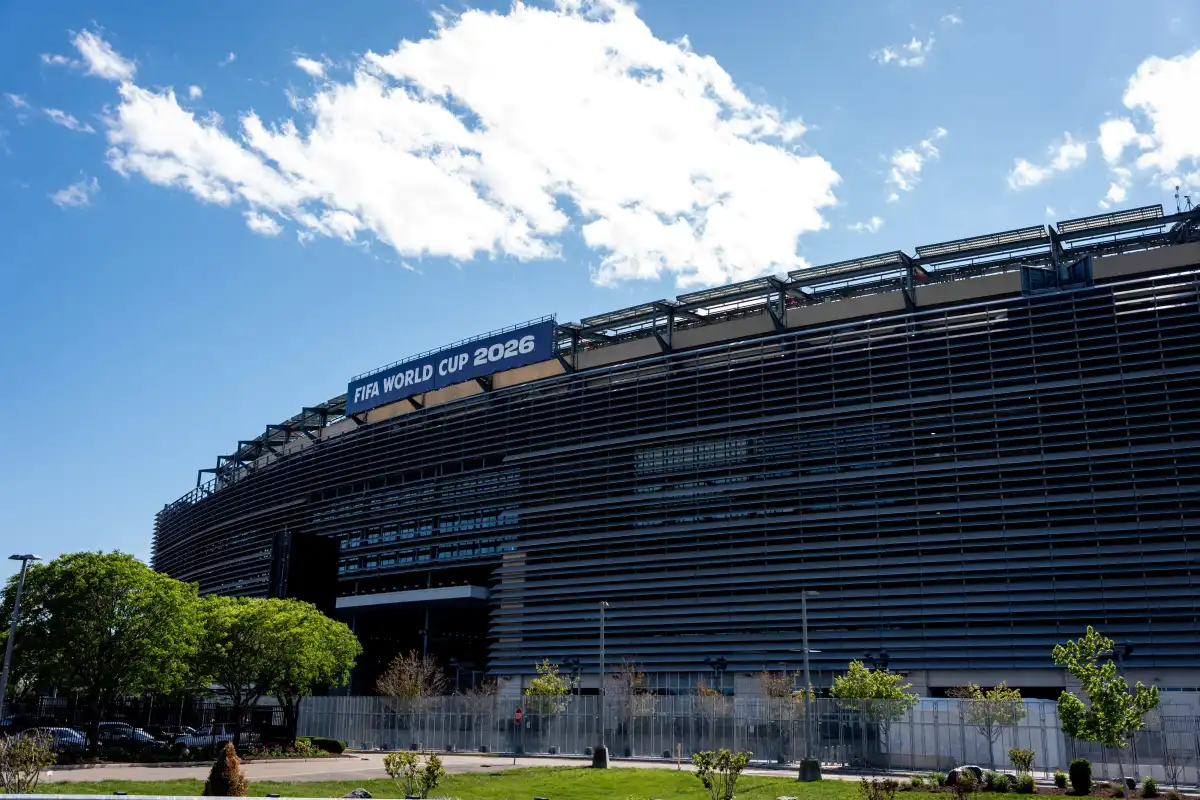
The investigation, which is supported by the New York City Department of Consumer and Worker Protection (DCWP), is seeking information from FIFA over its ticketing practices, specifically at New Jersey’s MetLife Stadium, which will hold eight games at the tournament, including the World Cup final.
World Cup ticket prices have been the source of major controversy in the lead-up to the tournament, which takes place across the USA, Canada and Mexico between June 11 and July 19.
FIFA originally split general admission tickets into four separate categories, with Category 1 tickets being the best – and most expensive – and Category 4 tickets being the cheapest and generally furthest away from the field.
However, the New York Times reported last month that FIFA created new “front” categories within those original sections, offering the most lucrative seats in venues at separate, more expensive prices.
James and Davenport cited reports that fans who bought seats before the new zones were introduced were excluded from the best seats in each category and assigned to less desirable seats. The new front categories also cost significantly more than the original prices, which had already attracted attention and criticism.
Prices for the 2026 World Cup have far exceeded those at any previous World Cup, thanks in part to FIFA’s variable pricing, which allows prices to fluctuate based on demand. When FIFA set its most recent prices in April, for example, it set prices over $300 for Category 3 seats to Brazil vs. Morocco and Germany vs. Ecuador at MetLife Stadium. Category 3 prices stood well above $200 for the remaining three group games at the venue.
But FIFA’s resale policy, which includes no cap on ticket prices, means that those tickets often fetch far more on FIFA’s own resale marketplace.
Davenport and James also accused FIFA of deliberately slowing the release of tickets to create “fake scarcity” and drive up demand – and prices.
“Being honest about ticket sales is not complicated. But FIFA has turned buying a ticket to the World Cup into a gauntlet of confusion, fake scarcity, and impossibly high prices – all at the expense of consumers and hardworking New Jerseyans,” Davenport said in a statement. “It’s an honor to host the World Cup, but the event is not an invitation to exploit our residents and visitors.”
James similarly blasted soccer’s governing body over its ticketing policies, stating that New Yorkers had been priced out of tickets for a tournament in their own backyard.
“No one should be manipulated into paying sky-high prices for seats, and fans should be able to trust that the tickets they purchase will be the ones they receive,” James said.
DCWP Commissioner Samuel Levine said fans and New York residents deserve transparency when purchasing World Cup tickets and described reports that FIFA had “artificially inflated ticket prices” as “deeply troubling.”
“DCWP takes allegations of blatantly deceptive conduct very seriously and will not hesitate to take enforcement action,” Levine said. “We are proud to work with Attorneys General James and Davenport in this investigation to help ensure FIFA’s ticketing practices at MetLife Stadium and beyond are transparent, and that soccer fans are not taken advantage of during one of the biggest sporting events on the planet.”
Although FIFA declined to comment on the investigation, the organization has pushed back on criticisms of its ticketing policies in the past.
FIFA has routinely defended ticket prices at the World Cup as being reflective of North American entertainment standards and “extraordinary” demand for the World Cup. It has also maintained that it is a non-profit organization that invests much of the World Cup proceeds back into the game across the world after facing criticism that it would raise a record-breaking $11 billion in revenue during the tournament.
When reports of its new ticketing zones surfaced, FIFA said its category maps were created to help fans understand where their seats could be located within a specific stadium. The organization’s terms of use also states that ticket categories are for “guidance purposes only.”
