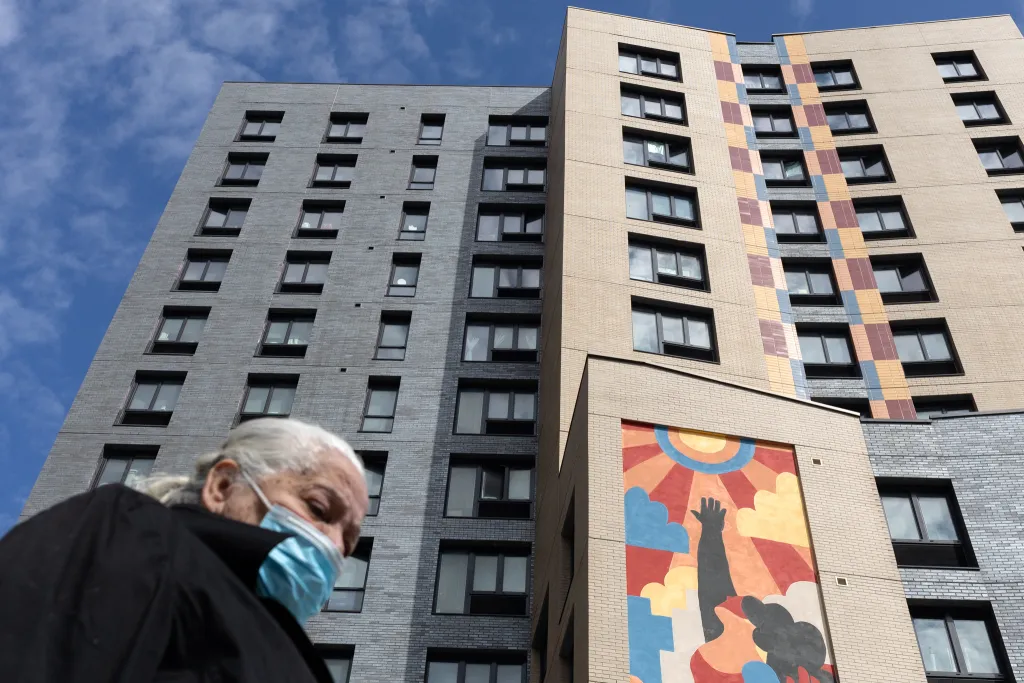
For an additional year, New Yorkers looking for a place to live can apply directly to vacated, affordable apartments — skipping the city’s lottery system, known as Housing Connect.
Since May 2025, landlords and brokers have been able to publicly advertise empty affordable housing units — those that had been rented through the housing lottery initially, but became empty when tenants left — and process the applications of interested residents on a first-come, first-served basis.
It was a big change from the Department of Housing Preservation and Development meant to get people into apartments faster, cutting out the lengthy and complex system tied to the lottery.
And according to housing managers, the agency itself and those who manage lotteries, the results are clear: the change has cut the time it takes to fill apartments drastically — in some cases shrinking the time frame from months to weeks.
Now, the agency has extended a waiver it had issued last spring for another year, through April 30, 2027.
That means apartment-seekers can continue finding affordable re-rentals on websites like Streeteasy and other platforms, instead of on Housing Connect only. To secure a lease, an applicant must be eligible for the apartment by having the right income requirements, as specified for the unit, which the landlord or broker must verify. HPD must approve applicants before they move in.
In addition to advertising the affordable re-rental apartments publicly, landlords can also pull from an internal waitlist of eligible applicants to fill them.
This approach to leasing re-rentals is meant to cut down a cumbersome process for managers of affordable housing, bring rental income to landlords quicker and speed up the move-in time for New Yorkers.
Fast Forward
The waiver extension comes as Mayor Zohran Mamdani on Wednesday announced plans to overhaul Housing Connect and accelerate the process of developing and leasing out affordable housing in the city.
The revamped Housing Connect will “offer direct relief for New Yorkers who need access to affordable housing now,” he said. “We will cut the time it takes from the completion of a building to the day New Yorkers can move in in half, from 210 days to fewer than 100 days.”
As previously reported by THE CITY, months can pass between when a building is done with construction and when it is fully filled with tenants.
Before May 2025, filling vacant re-rentals was a complicated process that required landlords to conduct a “mini-lottery” from a pool of applicants who had registered with Housing Connect when applying to previous lotteries and checked a box to indicate they’d be interested in future re-rental opportunities.
That was done to ensure landlords leased apartments fairly. But it meant that landlords couldn’t market the re-rental apartments to alert would-be tenants. They found that applicants in the pool — who fit income requirements for the available re-rentals but otherwise didn’t express interest in the specific neighborhood or building — were not interested in the available re-rental apartments, or no longer needed to move.
Mildred Flores-Thevenin, director of affordable housing marketing and compliance at Settlement Housing Fund, said for one mini-lottery, her team looked at nearly 1,800 eligible applicants to fill a single re-rental apartment in a Midtown East building. It took almost a year.

“What happened is they were matched at random so they didn’t know about the property, so they didn’t intentionally apply,” Flores-Thevenin said. “Having folks interested in specific projects makes it easier to lease instead of having a randomized list.”
This bureaucratic system led to hundreds of affordable apartments staying vacant for months after previous tenants moved out. One apartment in The Bronx with a rent of $1,250 sat empty for 16 months as the landlord tried to fill it, the New York Housing Conference found in 2025.
That apartment belonged to University Neighborhood Housing Program. Brendan Mitchell, UNHP’s director of real estate and finance, said re-renting an apartment through the mini-lottery took more than two years in some cases. But that timeline shortened to about six to eight weeks with the simpler process, which allowed the organization to pull tenants from an internal wait list.
“The buildings have benefited greatly from being able to generate rental income and the new residents are happy to be in a safe, quality apartment without waiting months and months,” Mitchell said.
In the past year, with the waiver, about 45 to 60 days passed from when affordable apartments became vacant to when tenants got approved to move in, according to HPD. The agency did not have comparative data from before it waived the mini-lottery requirements.
But other entities in charge of leasing re-rentals affirmed speedier outcomes that resulted from doing away with the mini-lottery. Sam Rosenberg, executive director of Reside New York, said leasing up the new re-rental process was about 80% faster than going through the mini-lottery system.
“The workload for all parties involved has decreased significantly, and applicants are receiving outcomes much more quickly,” he said.
A report released Tuesday from the Citizens Housing and Planning Council advocated for taking re-rentals out of the lottery system for good.
“Renting these units like they’re other kinds of housing is a perfectly reasonable solution,” said Howard Slatkin, CHPC’s director, who pointed out that brand-new affordable apartments have more time to get the word out about availability and benefit from applicants that apply directly to the specific apartments.
Without the lottery, leasing agents “have more latitude to match residents to units that meet their needs.”
Our nonprofit newsroom relies on donations from readers to sustain our local reporting and keep it free for all New Yorkers. Donate to THE CITY today.
The post Vacant Affordable Apartments Won’t Go Back Into Lottery System — For Now appeared first on THE CITY – NYC News.
