For centuries, ballet has asked women to die beautifully, love tragically and disappear exquisitely. Legendary Women proposes something far more interesting: what happens when they are permitted to live in full—to think, create, compete, suffer, seduce, resist and alter the world through the magnificent instrument of the body.
Ballet Support Foundation’s forthcoming production brings together 11 female choreographers to interpret Isadora Duncan, Anna Pavlova, Gabrielle Chanel, Frida Kahlo, Édith Piaf, Ella Fitzgerald, Maria Callas, Marilyn Monroe, Audrey Hepburn, Ruth Bader Ginsburg, and Serena and Venus Williams. This is not a polite procession of famous names. Each short work offers a fresh encounter with a life too often compressed into one photograph, quotation or cultural shorthand.
Dance is particularly suited to such reclamation. The body communicates what conventional biography frequently edits out: private anguish, physical sacrifice, creative appetite, sensuality and the stamina required to become unforgettable. A lifted chin may contain an entire rebellion; a contracted spine can reveal suffering more eloquently than several pages of explanation. Through choreography, these celebrated figures become human again.
The possibilities are wonderfully rich. Duncan liberated female movement from classical restraint, while Chanel similarly released women from the corseted expectations of dress. Kahlo translated chronic pain into an uncompromising visual identity; Piaf turned sorrow into something approaching seduction. Fitzgerald possessed an improvisational brilliance capable of making voice feel airborne, whereas Callas brought operatic emotion perilously close to combustion.


Monroe and Hepburn understood the complexity of being watched, both becoming global images while protecting interior lives far more complicated than their beautiful surfaces suggested. Ginsburg’s authority emerged through intellect, discipline and an exquisite refusal to retreat. Serena and Venus Williams entered a historically exclusionary sport and permanently changed its athleticism, power and cultural reach. Ballet grants each story another vocabulary—one composed of balance, rhythm, weight and breath.
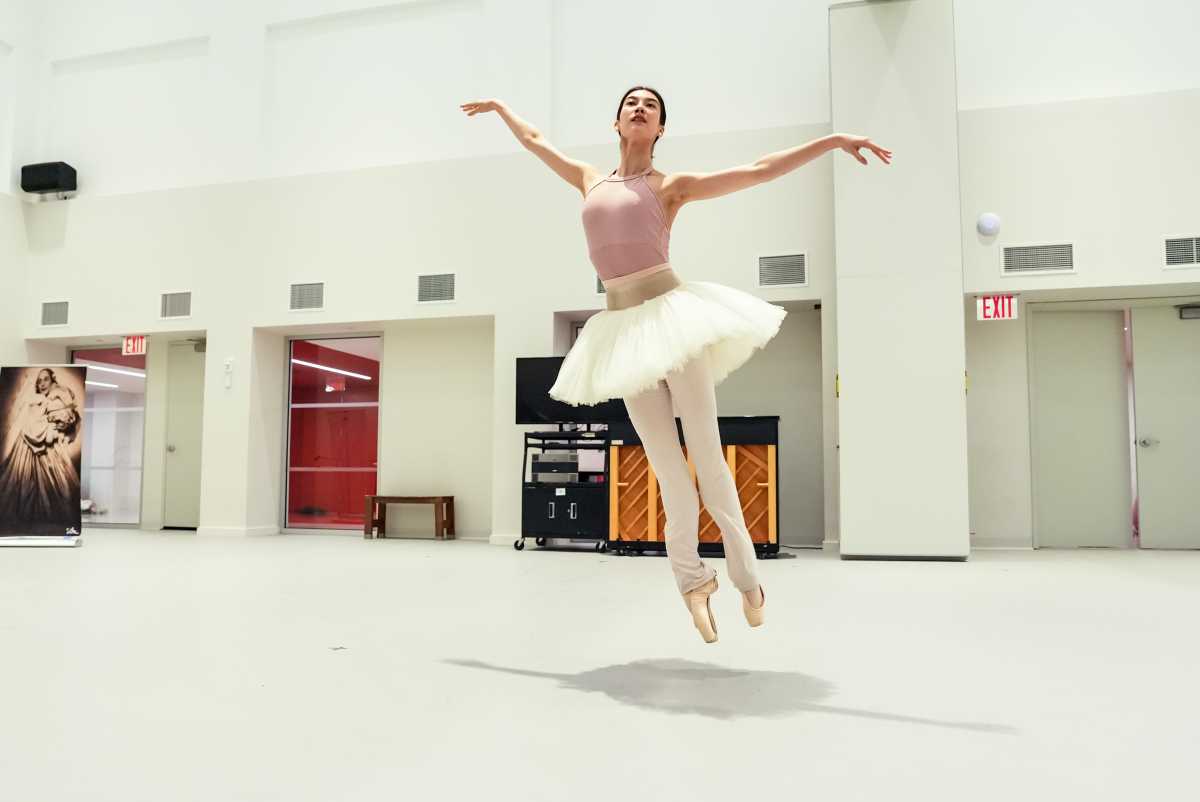
During an intimate open-studio preview, this larger premise crystallized through Anna Pavlova, choreographed by Isabelle Fokine for American Ballet Theatre principal Chloe Misseldine. Isabelle is the granddaughter of Michel Fokine, who created The Dying Swan for Pavlova in 1905. Set to Saint-Saëns’s “Le Cygne,” the solo became inseparable from the ballerina’s legend; she reportedly performed it more than 4,000 times while bringing ballet to audiences across the world.
Inevitably, The Dying Swan has changed over the decades. Gestures have softened, flourishes have appeared and individual interpretations have drifted from Michel’s conception. Isabelle, however, arrived with her grandfather’s step-by-step instructions, supported by original photographs and archival records. She offered more than inherited recollection; she carried the choreographer’s meticulous blueprint.
Chloe Misseldine did not stop when Isabelle corrected her. She listened, altered the angle of an arm, reconsidered the intention behind a step and continued—absorbing each direction so swiftly that the adjustment appeared to have belonged to her all along. A shoulder shifted; the neck became more vulnerable; a transition acquired deeper emotional logic. Misseldine accepted every note without interrupting the performance, an astonishing display of intelligence, humility and physical command.


Watching choreography transmitted in real time is a peculiar privilege. Here, the exchange possessed additional poignancy: Pavlova was 24 when Michel created the solo for her; Misseldine is that same age today. More than a century separates the ballerinas, yet the work traveled between them through Isabelle, herself a former dancer and now custodian of the Michel Fokine Archive.
Authenticity did not mean stiffness. Misseldine was never asked to impersonate Pavlova or vanish beneath reverence. Instead, she brought her own expressive intelligence to the source while honoring its architecture. Preservation, after all, should not resemble taxidermy. A dance survives only when another body can inhabit it truthfully.
Conceived by Ballet Support Foundation founder Lola Abigail Koch, Legendary Women also carries practical purpose. The organization creates paid opportunities for professional and emerging artists through performances, films, tours, master classes and collaborations. Admiration therefore becomes investment, allowing the next generation to build careers rather than merely dream about them.
The full production arrives at New York Live Arts from March 24 through 27, 2027, before planned tours across the United States and Europe. Its women will not appear as symbols waiting to be adored or rescued. They will return through muscle, intellect and motion—complex, formidable and gloriously unwilling to disappear.
Tickets and information: newyorklivearts.org/event/legendary-women