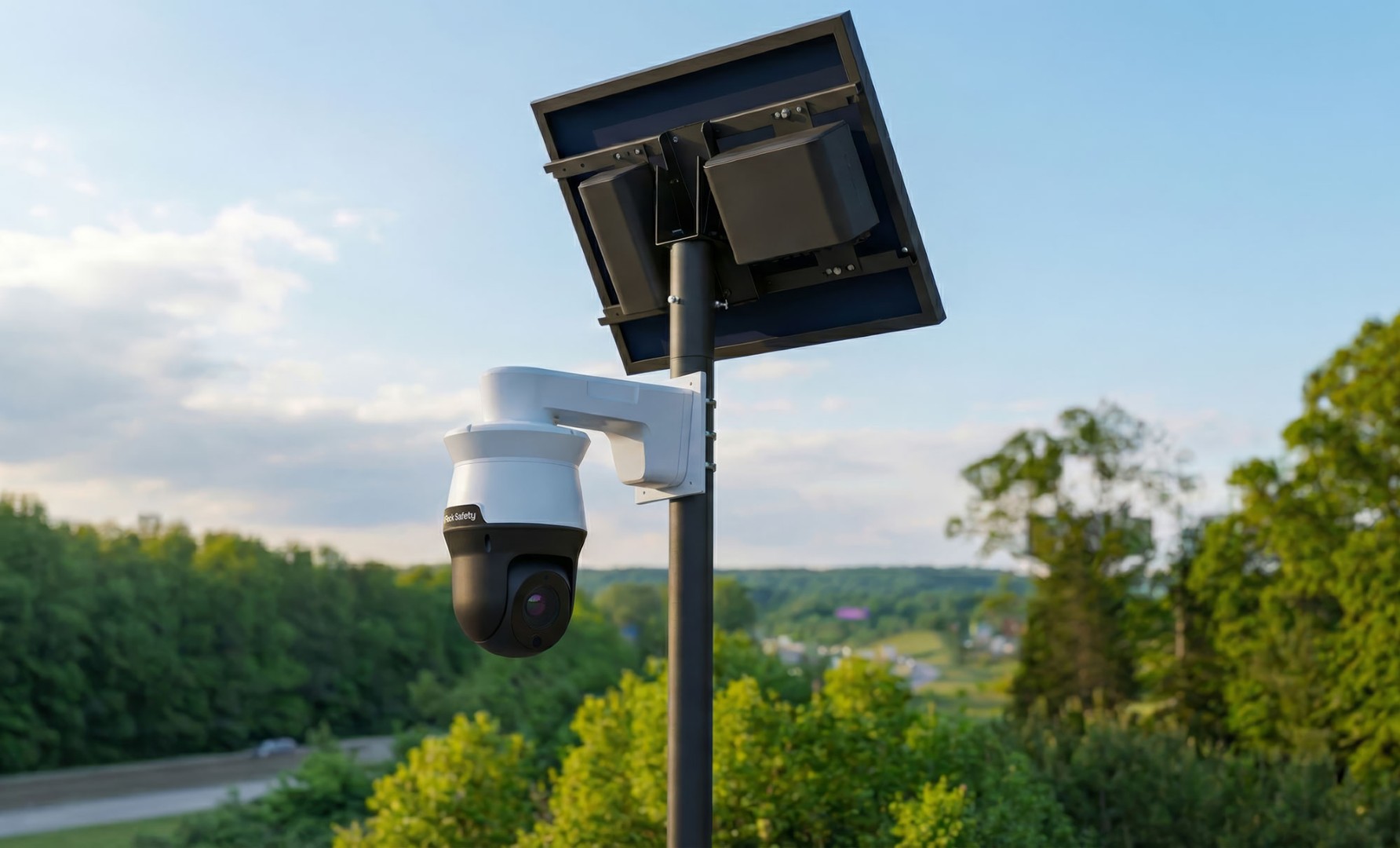
Flock cameras have become a flashpoint in Central Florida, drawing concern from advocates and local leaders alike as the debate over surveillance technology moves to the forefront of this election season.
State Rep. Anna Eskamani, an Orlando Democrat, is calling for lawmakers to return to Tallahassee for a Special Session, arguing that new laws are needed to address how Flock cameras are used across Florida.
“I do think Legislature needs to act on this,” Eskamani said Wednesday as she held a virtual town hall on the topic and brought up her concerns that the public hasn’t given input before law enforcement agencies put up Flock cameras in communities.
Gov. Ron DeSantis described Flock cameras as out of control and ordered their removal from state roads. That move has prompted a wave of discussions among local governments, with some now reconsidering or even decommissioning the cameras in their own jurisdictions.
“This is uncharted territory. This is of course a very fluid policy landscape because remember, executive orders can only go so far,” Eskamani said. “What we need is policy change. We need statutory requirements at the statewide level when it comes to the use of these technologies.”
A group from Orlando 50501 said it is lobbying the Orlando City Council and Orange County Commission to remove the cameras.
“We know that the state got rid of them, but locally they have not yet committed to doing so, and so that’s why we want to make our voices heard and tell them that we don’t want this surveillance in our streets,” a leader said during Eskamani’s town hall.
Maitland Mayor John Lowndes, now running against state Sen. Jason Brodeur in District 10, is urging his city to take up the issue. The question of whether to keep or remove Flock cameras is set for the City Council agenda on September 14.
“I understand why law enforcement values these cameras, and I take seriously the argument that they can help solve crimes and catch dangerous people,” said Lowndes in a statement. “But there has to be a line between giving law enforcement useful tools and building a system that can track the movements of ordinary, law-abiding citizens. After looking carefully at this issue, I believe Flock cameras cross that line.”
Rindala Alajaji, the Associate Director of State Affairs at the Electronic Frontier Foundation, called the Flock cameras “warrantless mass surveillance systems that turn our everyday travel into a searchable blueprint of your life.”

These automated license plate readers do more than just scan plates. They log details like the make and model of a car, even bumper stickers, and can build a record of where a vehicle has traveled over the course of years, according to Alajaji.
“It allows widespread sharing of data so drivers can be tracked across the country, and this is accessible not only to law enforcement agencies all over, but also federal agencies like ICE and private vendors through side door agreements,” Alajaji said during the virtual town hall.
Law enforcement officials, for their part, defend the technology. They point to cases where Flock cameras have helped locate and arrest violent offenders.
“If somehow this were to go away, it’s a big win for the criminals,” Orange County Sheriff John Mina said, according to the Orlando Sentinel. “It’d be a huge detriment to law enforcement if we lose it.”
Mina’s agency told the Sentinel it plans to follow the state’s order to stop using Flock cameras on state roads but will continue to keep up the devices in areas where they are allowed.