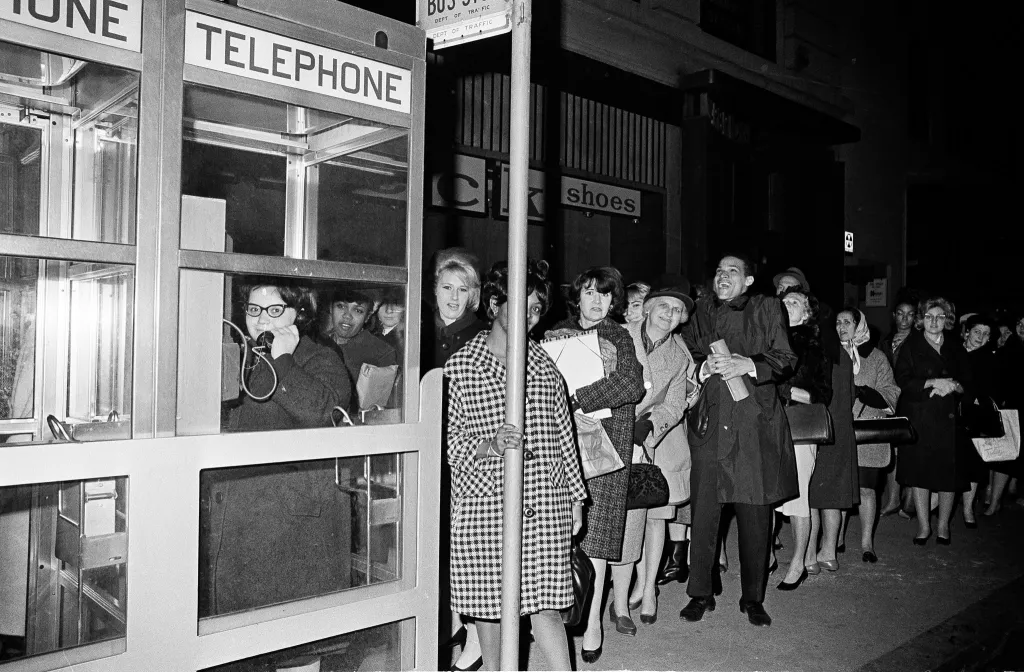
“A most bewildering and frightening awareness of man’s position in a technological society he found he neither understood nor controlled… brought fears and a sudden exhilaration. In every man there is a corner of rebellion against the machine, and the blackout allowed us a brief period of freedom from its dominance. We were all delighted by the rediscovery of things that were not plugged into walls.”
Things change when the lights go out, but while the blackout of 1965 was a moment that brought the city together the one in 1977 became a signal moment in the narrative of its decline. Nearly a half century later, it remains the largest mass-arrest event in New York City history — one that helped set the city on a long journey into ever more prosperity and austerity.
https://feeds.fireside.fm/faqnyc/rss?knickerbockerblackouts
In the debut episode of FAQ NYC’s new limited series, A Knickerbocker History of America, Katie Honan, Harry Siegel and guest co-host Asad Dandia, the Brooklyn borough historian, sat down in front of a live audience at P&T Knitware to discuss the city’s blackouts, also including 2003 and 2012 — and how each was understood at the time and in hindsight.

FAQ NYC will join Asad again at the bookstore on Thursday, August 27th, to talk Riots in part two of The Knickerbocker History, and on Friday, September 18, to talk Terror in the third and final episode. Tickets are free, and you can RSVP here, subscribe to the pod on Apple Podcasts, Spotify, through RSS and wherever podcasts are found, or listen right here at THE CITY.
Our nonprofit newsroom relies on donations from readers to sustain our local reporting and keep it free for all New Yorkers. Donate to THE CITY today.
The post LISTEN: NYC’s Darkest Hours appeared first on The City Reporter.
