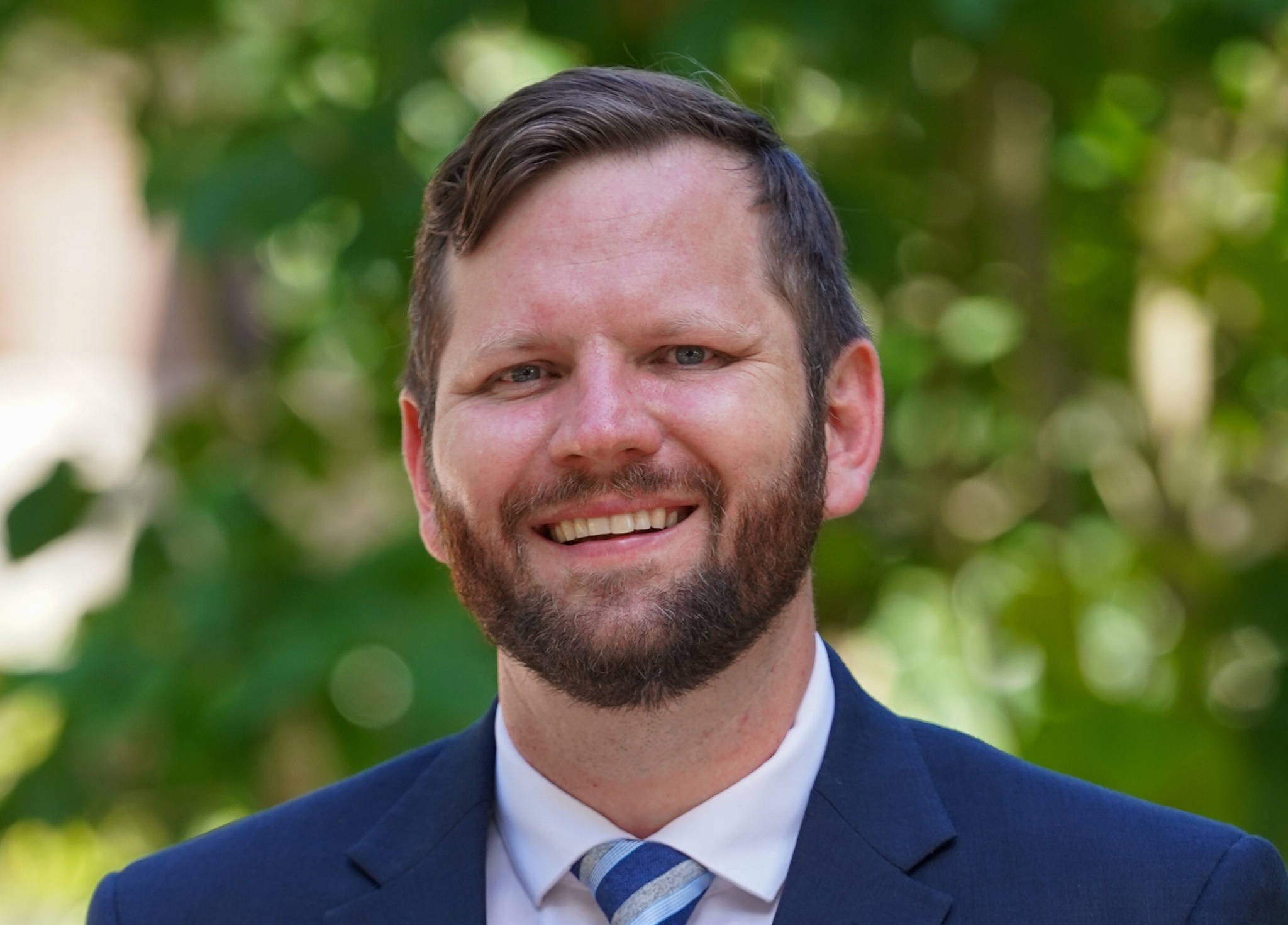
City Commissioner Jeremy Matlow is one of four candidates running to succeed Tallahassee Mayor John Dailey, who announced last year he would not seek a third term.
Other candidates in the race include former Sen. Loranne Ausley, IT entrepreneur Michael Foust and civil rights lawyer Daryl Parks.
Florida Politics asked all candidates to answer a few questions. We are publishing their responses unedited so voters can hear directly from candidates. Here’s what Matlow told us:
— Profession: I’m the founder of Gaines Street Pies, Warhorse, The Wilbury and Updraft.
— Education: I graduated from Leon High School and attended Florida State before pursuing a career in entrepreneurship.
— Years in the district: I’ve lived in Tallahassee since I was three years old.
— Community involvement: I was raised by a single mother of four on the southside of Tallahassee. I’m a Tallahassee City Commissioner and an avid outdoorsman. As a husband and father of two boys, we spend our time hiking Tallahassee’s beautiful trails, paddling on lakes and streams and enjoying local arts and culture.
— What spurred you to run? Why are you in this race? I’m in this race to bring transparency back to City Hall and bring our government back to the people. For too long we’ve seen insider deals that favor the well-connected while our city grows stagnant and everyday people get left behind. I’m a local, small business owner and I know what needs to be done to get our city back on track.
— What is the single biggest challenge facing Tallahassee that you believe is not receiving enough attention, and what would you do about it during your first year in office if elected? We’re going to rebuild the city government from the ground up with a zero-based budget to improve the lives of the people that live in Tallahassee: Build real affordable housing, lower utility bills, invest in underserved neighborhoods and fix a broken permitting process that is holding our small businesses back.
— The cost of groceries, gas, housing and utilities is top of mind for voters right now. What specific policies do you propose to make life more affordable for residents? I’ve opposed every tax increase we’ve seen over the past eight years and will roll back the millage rate this year to keep more money in homeowners pockets. We will reprioritize wasteful spending to build real affordable housing, 500 units in the first four years, lower utility bills by removing taxes and fees and expanding parks and recreation to include more childcare services — and we will do it all while reducing the tax burden.

— How do you balance the need to increase the housing supply to make housing more affordable with the desire to preserve Tallahassee’s canopy roads, charm and character? Where would you look to develop, and what should be left as it is? We’re going to build a lot more housing in the urban-core by replacing outdated commercial uses and asphalt parking lots with housing that attracts young professionals. This will help protect what we all love about Tallahassee while making sure we meet the needs of future growth. Smart growth means building a better city, not bending the rules to subsidize developer profits.
— The city is home to FSU, FAMU and TCC. How would you better leverage those institutions to retain graduates and create more high-paying jobs? No question, these institutions of higher learning are a golden, integral part of our community. What I hear all the time from younger folks that I employ and work with is they love many things about Tallahassee — they just wish there was more to do. Investing more in creating vitality in our urban core where recent college grads and students tend to live instead of clear-cutting more forest to make way for cookie-cutter subdivisions.
— When it comes to spurring growth and attracting employers, how generous should the city be with subsidies and incentive packages? Subsidies don’t work. To jump start our economy we need to reform permitting, cut red-tape and build a culture that welcomes new businesses and upstarts. We can’t continue to just favor a small group of insiders.
— Beyond adding more police officers, what strategies would you pursue to reduce violent crime and improve trust between law enforcement and the community? We need to invest in law enforcement to address crimes as they occur. To really get our numbers down, we will have to address our 25% poverty rate. Restoring hope in the economic future of our youth is the proven way to stop the underlying roots of crime, as opposed to increasingly expensive and undemocratic reactive measures like doubling down on invasive Flock cameras.
— Major roads such as Thomasville Road, Apalachee Parkway, Monroe Street and Capital Circle are becoming increasingly congested. What transportation projects or policy changes would you prioritize to improve mobility? Our 1% sales tax will generate over a billion dollars meant to reduce congestion. Instead, the money is diverted to developer pet projects and a luxury roadway to the airport for FSU. Needed projects like improvements to Orange Avenue and Tharpe Street continue to slip down the priority list while unnecessary luxury projects with political juice from developer lobbyists take precedence, doubling down on bad decisions that create long-term liabilities for both Tallahassee’s planning capacity and budget. Once we stop making the same old sprawl mistakes, we can pivot to a new vision that works better for commuters and pedestrian safety by putting logic before developer profits.
— North and South Tallahassee continue to experience disparities in investment, infrastructure and economic opportunity. What can you do as Mayor to ensure parts of the city are not left behind? This didn’t happen by accident. Public resources have been driven to a handful of wealthy special interests for decades as they spend heavily in local campaigns. I’m not taking their money. I was raised on the southside of Tallahassee by a single mother and I see the neighborhoods I grew up in get left behind. We will invest in and repair all of our current neighborhoods and end the subsidies for continued urban sprawl.
— The city has faced criticism over its permitting process and the ease of doing business. What would you do to make Tallahassee more business-friendly while maintaining appropriate oversight? I’ve opened five businesses and each time it has felt like a different permitting process. It’s burdensome, time intensive and difficult to get a straight answer from anyone. We will repurpose the Office of Economic Vitality to be the front door for businesses, identify unnecessary codes and regulations we can cut and issue permits quickly while protecting the environment and life safety.
