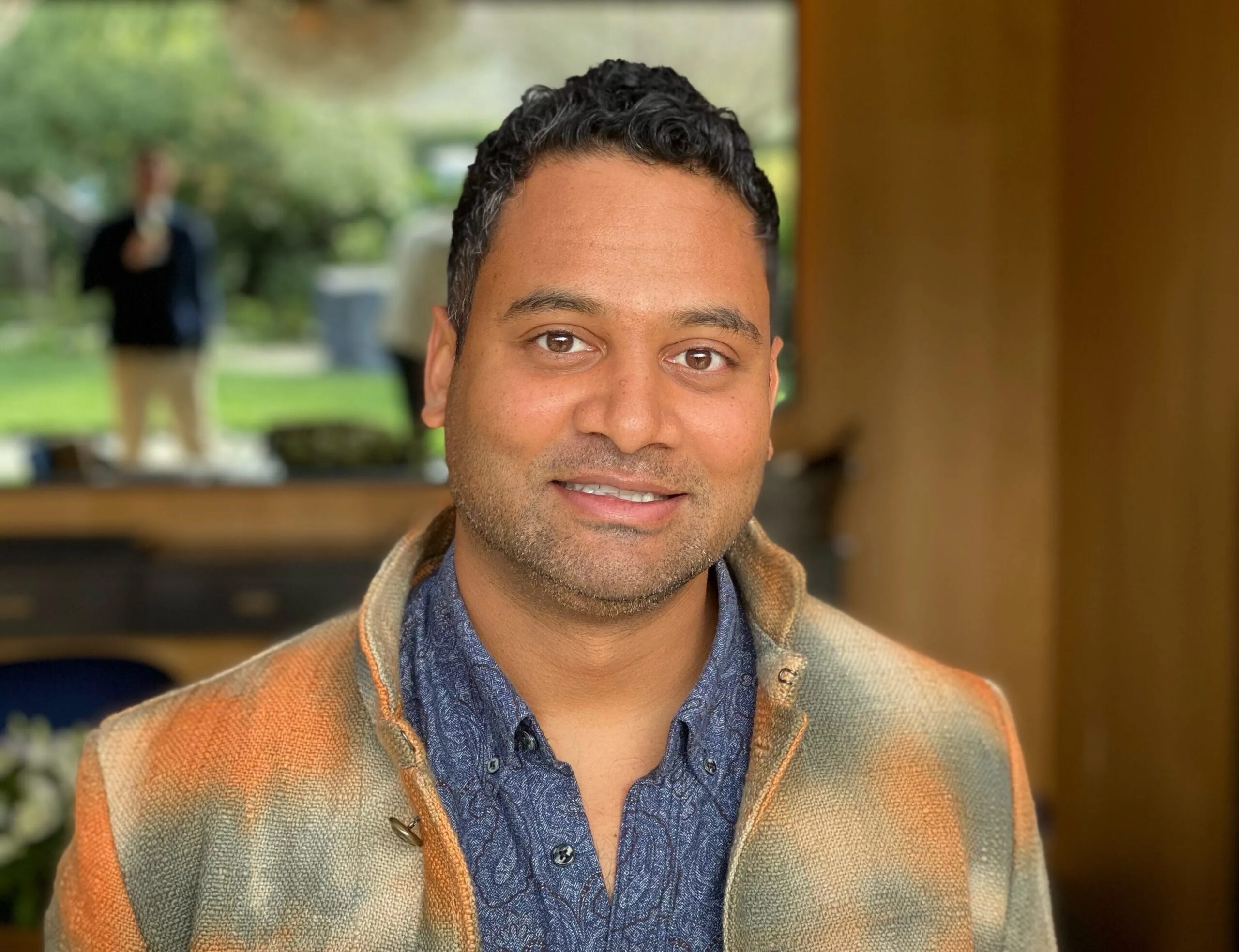
Eating places are a notoriously powerful and thankless enterprise. Even the nice ones might be financially fragile. That’s why it’s nearly unprecedented for enterprise capitalists to again them. However inKind, a platform that writes checks starting from $100,000 to $10 million to hundreds of eating places, comes shut. Its founder and CEO, Johann Moonesinghe, believes he has discovered a method that lets everybody win: traders, restaurant homeowners and prospects alike.
inKind operates an app that features like a ClassPass for eating places and bars. It sells eating credit that can be utilized at hundreds of eating places on the platform—plus a 20 % reward that may be redeemed on a future go to. The enchantment for diners is apparent.
Behind the scenes, nonetheless, the mannequin is extra uncommon. inKind raises cash from traders and makes use of these funds to finance particular person eating places. As an alternative of amassing curiosity or betting on a large exit years down the street, inKind takes a share of a restaurant’s future income within the type of eating credit—typically closely discounted—which it then sells for a revenue.
For instance, inKind would possibly give a restaurant $1 million in money in change for $2 million in eating credit, then promote these credit for $1.5 million to app customers. For inKind, the most important danger is how lengthy a restaurant stays in enterprise. If it buys two years’ value of credit however the restaurant closes after six months, inKind theoretically loses cash. That danger is partly mitigated by having hundreds of eating places on the platform, but when closures have been to occur at scale, the injury might be severe.
“Within the first yr, I misplaced 50 % of the cash that I funded to eating places as a result of I didn’t understand how a lot credit score to purchase,” Moonesinghe advised Observer. “I purchased $100,000 in donut credit from some donut place in Michigan. It was inconceivable to promote it. So it took us years and years to get higher at underwriting and constructing the patron base to promote the credit score.”
For eating places, the maths is extra sophisticated. Moonesinghe argues that as a result of the price of meals is often solely 20 to 30 % of the menu value, eating places can nonetheless make a revenue by promoting credit to inKind at half the menu value. In fact, meals isn’t a restaurant’s solely expense. The actual query is whether or not a restaurant can cowl its remaining prices by means of good administration or sufficient income from non-inKind prospects.
“We actually wished to create a enterprise mannequin the place each stakeholder wins,” stated Moonesinghe, who owns 4 eating places between Austin, Scottsdale and Las Vegas. “If I had opened my eating places within the conventional means, I wouldn’t be making any cash on these eating places immediately. All of that cash can be going again to pay my investor.”
So far, inKind has offered greater than $600 million in funding to over 6,000 eating places throughout the U.S. The corporate not too long ago raised one other $450 million from traders and is aiming so as to add greater than 10,000 eating places to the platform this yr.
The most recent funding spherical was led by Magnetar Capital. Members included notable names similar to Jay-Z’s funding agency MarcyPen Capital Ventures, former Yahoo CEO Jerry Yang, all 4 members of the band Metallica and greater than a dozen restaurant homeowners.
The overwhelming investor curiosity marks a pointy reversal from inKind’s early years, when Moonesinghe largely funded the corporate together with his personal cash and struggled to draw exterior capital. He launched inKind in 2016 in Austin together with his husband Andrew Harris, his late brother Rajan Moonesinghe and product designer Marcus Triest. Moonesinghe stated the corporate’s early days have been so capital-intensive that he and his husband cashed out their residence and retirement accounts to maintain it alive.
“Enterprise traders hated our enterprise as a result of we’re so stability sheet heavy, we require a lot cash to offer the eating places,” he stated. “And the debt companions didn’t need to lend us, as a result of they’re like, eating places are essentially the most dangerous.”
Now, Moonesinghe says fundraising is solely relationship-driven, and he’s extremely selective about whose cash he takes. MarcyPen—the funding automobile shaped from a merger between Jay-Z’s Marcy Enterprise Companions and the funding arm of Pendulum Holdings, based by former Barack Obama adviser Robbie Robinson—was the primary institutional investor inKind introduced on.
“These guys actually perceive us. They perceive the model we’re making an attempt to construct. They’re nice traders and tremendous well-connected. They love wine, I really like wine. So we ended up making a relationship,” Moonesinghe stated.
Due to this relationship-based fundraising strategy, inKind’s founders nonetheless personal greater than 75 % of the corporate. “This permits us to take a extremely, actually long-term strategy. That’s our largest asset,” Moonesinghe stated. “We don’t want an exit. We don’t have to shortly get out of offers. For us, if we may also help the eating places do nicely and earn a living for his or her homeowners, even when a deal is taking us longer to promote their credit score, that’s okay.”

