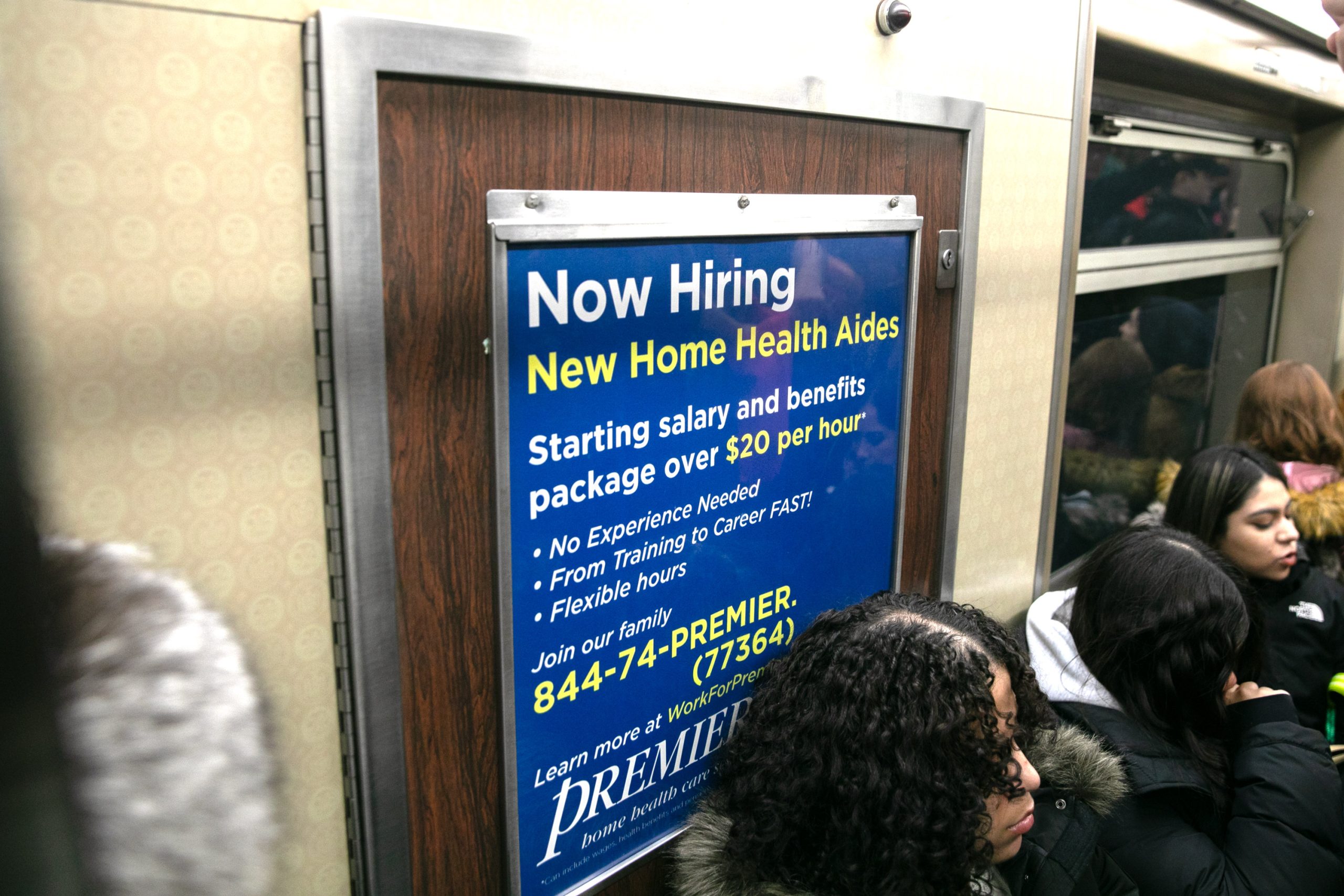
Mayor Zohran Mamdani not only has to close a big budget deficit, he faces an economy that is losing jobs in every major part of the workforce except health care.
New York City added a mere 27,100 jobs last year, according to seasonally adjusted data released Thursday by the state Labor Department.
The city lost jobs in manufacturing, trade and transportation, retail, information, finance, professional and business services, leisure and hospitality and even government. The only reason for the gain in total jobs is an increase of about 70,000 in health care and social assistance — primarily home health care jobs that are among the lowest paying in the city and are funded primarily with public dollars.
The numbers illustrate the bifurcated nature of the city’s economy as a Wall Street boom is fueling bonuses and pay for its employees and enriching people who own stock, bolstering spending and state income tax collections. A surge in revenue is why Gov. Kathy Hochul’s budget proposal released earlier this week boosts spending without a tax increase.
But the city’s financial condition is worse, with city Comptroller Mark Levine estimating Mamdani will have to close a cumulative $12 billion budget gap in the current budget and the following year’s. While gains by Wall Street and the wealthy have led to a surge in state revenue, they’ve provided less revenue for the city which collects more of its tax revenue from property taxes.
The same slowdown slamming the city has affected the whole country. At 0.6%, the gain in jobs in 2025 in New York City is slightly more than the 0.3% in the nation. And health care jobs also accounted for all of the job gains nationally.
But the 27,000 job increase here last year pales in comparison with average annual gains of 187,000 jobs during the city’s four-year recovery from the pandemic shutdown. The city’s unemployment rate at 5.6% is a full percentage point higher than the national rate and the Black jobless rate is back up to 9% — 6 percentage points higher than the white unemployment rate as that gap widens.
Forecasts from the Independent Budget Office and the city comptroller late last year had predicted the sharp fall off in new jobs.
“The whole country has totally flatlined on employment numbers which is bad and this is not terribly surprising because we have been seeing this trend over the year or so,” said Emily Eisner, an economist with the Fiscal Policy Institute. “But given that the gain is in those home care health care jobs, we are already in a mild contraction.”
The key indicators she is watching to see if the city economy slips into a more severe downturn are jobs and wages — and especially widespread layoffs since so far jobs have been eliminated through attrition rather than across-the-board downsizing.
The Mamdani administration did not respond to a request for comment on the economy.
Eisner adds that City Hall has embraced several strategies that could boost the economy, especially trying to lift some of the many regulations that hamstring small businesses along with pushing to build more housing, which would not only provide an economic boost through their construction but also help make the city more affordable for middle-wage earners.
Related