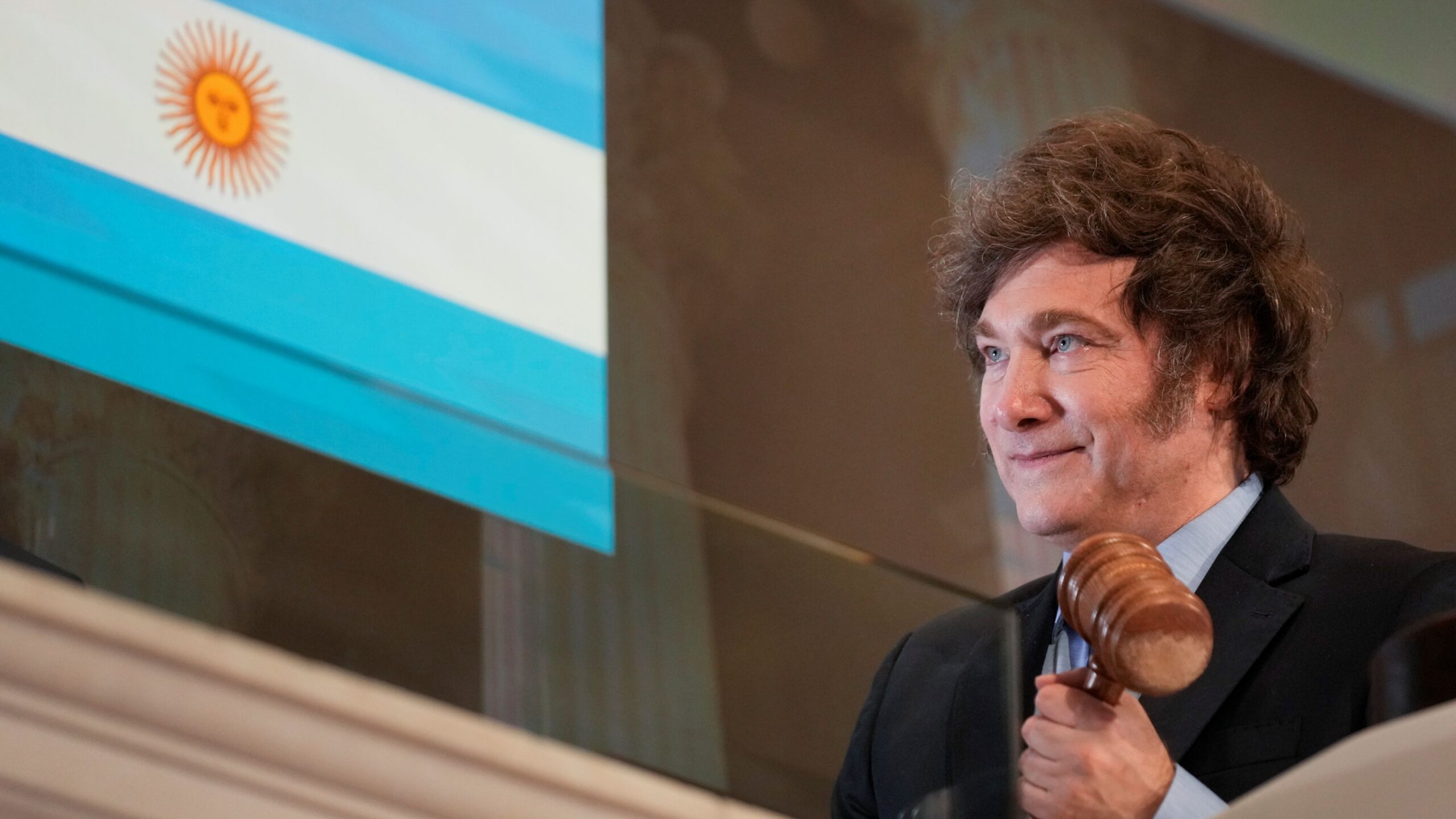
The International Monetary Fund has never dealt with a leader like Javier Milei. Argentina’s president has flipped the script on the international organization that is the lender of last resort for countries in crisis. Usually, the IMF demands economic reforms and budget cuts. However, as it currently negotiates with its largest debtor, the IMF faces a country and a leader engaging in radical reforms that are moving faster than seems safe politically or economically. Argentina owes the IMF more than $40 billion, accounting for over a quarter of the organization’s total lending, and the organization thinks Milei’s pro-market moves may go a step too far. Milei is threatening to engage in another round of reforms including dropping the country’s currency controls whether or not the IMF agrees to a new deal, forcing the fund to decide whether it is willing to put its money where its mouth is. The risk to the IMF is that its biggest debtor crashes once again.
This is very different from how the IMF has negotiated in the past. Here’s a somewhat simplified summary of the way it used to work: In the 1990s during the era known as the “Washington Consensus,” the IMF would typically enter a country facing an economic crisis and demand a certain set of orthodox reforms—austerity, subsidy cuts and free-market policies—in exchange for loans to repay other debts and stabilize the local currency. After grumbling, the country would usually acquiesce to some of the demands. Then the public would get angry at the spending cuts that seemed to favor foreign lenders over citizens. Where possible, voters would then often toss out the politicians who agreed to the IMF deal and install populists who would restart higher spending policies, leading back to an economic crisis, but now with the country even further in debt. And the cycle would continue.
This negative political and economic spiral gave the IMF a bad reputation in much of the Global South. The IMF always seemed to come in at moments of crisis to demand the country accept the worst-tasting medicine that would bring short-term suffering to the poorest in the country. A whole generation of leftwing politicians in Latin America gained popularity in the 2000s in part due to the public’s anger at the IMF and the “neoliberal” reforms implemented during the 1990s.
