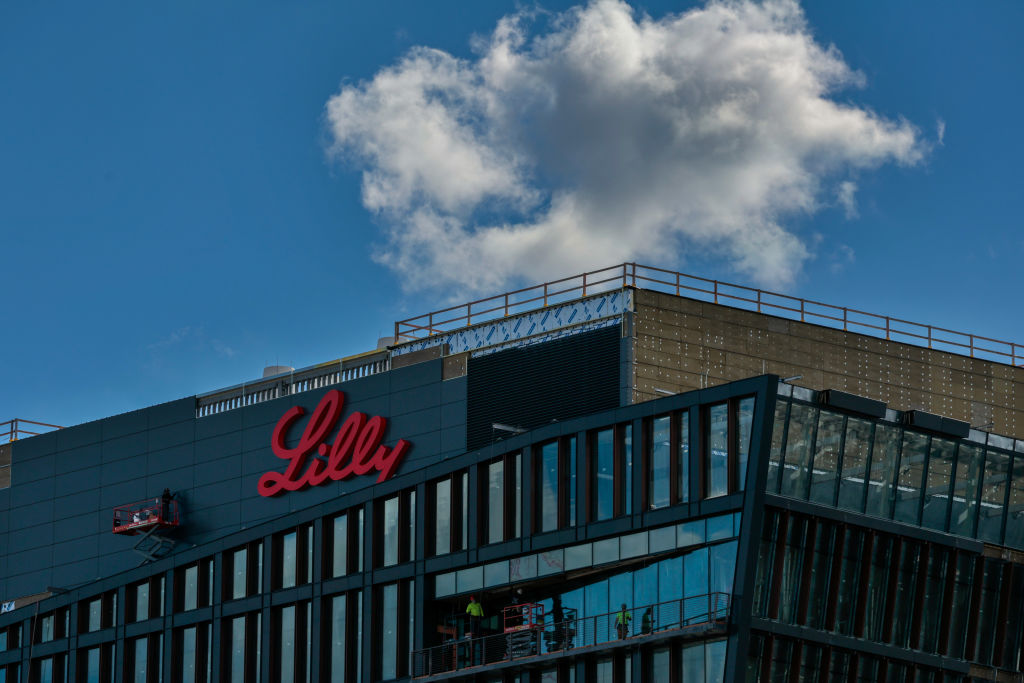
Eli Lilly is putting more of its metabolic medicines revenue to work, paying $100 million to begin a multi-drug research collaboration with Beijing-based InnoCare Pharma.
Specific diseases and drug targets remain undisclosed. The deal terms announced Thursday call for InnoCare to use its proprietary drug discovery technology to discover and advance molecules against up to five targets representing what the companies described as critical unmet medical needs.
InnoCare develops and sells drugs for cancer and autoimmune diseases. For cancer drug research, the company has a proprietary technology platform that develops antibody drug conjugates (ADCs). Lilly is flush with cash from the blockbuster sales of its metabolic medicines, Mounjaro for type 2 diabetes and Zepbound for obesity. The pharmaceutical company has been on a dealmaking streak, announcing 13 acquisitions in 2026 so far representing a range of therapeutic areas. Lilly’s most recent M&A deal was the late August buyout of Merida Biosciences, whose lead program is in early clinical development for Graves’ disease and thyroid eye disease.
Lilly’s search for drug innovation has also led to deals in China. Early this year, the pharma company expanded an existing relationship with Innovent Biologics, paying the Suzhou, China-based biotech $350 million up front to start a new collaboration in oncology and immunology. Soon after, Lilly paid Hong Kong-based Insilico Medicine $115 million to begin a drug discovery collaboration spanning multiple therapeutics areas.
The $100 million that Lilly is paying InnoCare consists of upfront and near-term payments. Depending on the progress of the research, Lilly could shell out up to $3.25 billion more in development and commercial milestone payments. InnoCare is also eligible to eligible to receive royalties from sales of approved products from the deal.
“We are excited to leverage our R&D platform to collaborate with a global pharmaceutical leader like Lilly,” Jasmine Cui, InnoCare co-founder, chairwoman, and CEO said in a prepared statement. “We are dedicated to expanding our partnership and innovation footprint.”
InnoCare has three approved medicines in China as well as a pipeline of drug candidates in various stages of development. The company also has previous experience placing assets with U.S. companies. In early 2025, an InnoCare and Keymed Biosciences joint venture outlicensed to Prolium Bioscience the rights to a CD20- and CD3-targeting bispecific antibody that was initially studied in blood cancer. New York-based Prolium has the right to develop and commercialize this drug globally in non-oncology indications and in oncology outside of Asia. Under Prolium, this drug, now named PRO-203, is in Phase 1/2 testing in systemic sclerosis.
Last October, InnoCare licensed to Zenas Biopharma the rights to develop orelabrutinib, a small molecule BTK inhibitor. The cash and stock deal gave to Waltham, Massachusetts-based Zena rights to develop this asset in multiple sclerosis worldwide and in all non-oncology indications outside of Greater China, Brunei, and Burma. Zenas is currently conducting global Phase 3 tests of the drug in primary progressive MS and non-active secondary progressive MS.
Photo: Craig F. Walker/The Boston Globe, via Getty Images
