Many blood cancers can be treated with a potentially curative stem cell transplant, but this procedure introduces a serious complication risk that can become deadly. A new type of cell therapy gives patients an alternative: a highly personalized treatment made with select immune cells that help reconstitute a patient’s immune system while also reducing complication risks.
This Orca Bio therapy, known in development as Orca-T, is the first FDA-approved therapy based on a type of immune cell called a regulatory T cell, or Treg. The late Tuesday regulatory decision also makes this therapy the first commercial product for Menlo Park, California-based Orca, which will market the one-time treatment under the brand name Tregzi.
An allogeneic stem cell transplant replaces a patient’s diseased blood and immune cells with those from a healthy donor. The patient first undergoes a conditioning regimen to kill the diseased blood cells to prepare the body to receive the transplant. One common risk of such transplants is graft-versus-host disease (GVHD), which develops when donated cells attack the tissues of the patient. A matched donor, typically a sibling, reduces but does not eliminate the risk of GVHD.
Standard GVHD treatment includes drugs that suppress the immune system, but these medicines also bring additional complication risks. Orca’s approach relies on Tregs, a type of immune of cell that tamps down excessive immune responses. Every Treg in Tregzi is a naturally occurring cell from the blood of a matched donor. The challenge is that Tregs make up a very small percentage of blood cells, Orca co-founder and CEO Nate Fernhoff said in an interview ahead of the regulatory approval. He likened Orca’s approach to a comment attributed to Michelangelo, in which he said a sculpture is already in the marble and all he needed to do was release it.
“The art of what we do is to remove the cells that you don’t want,” Fernhoff said. “It’s all about the things that you’re removing to leave behind the thing of art.”
Removal is easier said than done. A conventional transplant with “unsculpted” blood can contain as many as a billion T cells per kilogram, Fernhoff said. Tregs are about 1% of that population. An academic lab can isolate enough Tregs for a mouse experiment, but getting enough for humans is much harder. Orca has proprietary technology that moves blood through various stages of its process to essentially pluck out Tregs from other T cells. The result is an ultra-purified Treg composition — a single batch for a single patient. The research that would become this technology began at Stanford University. Orca spun out in 2016 but remained stealthy until announcing a 2020 Series D financing to support a lead program already in the clinic.
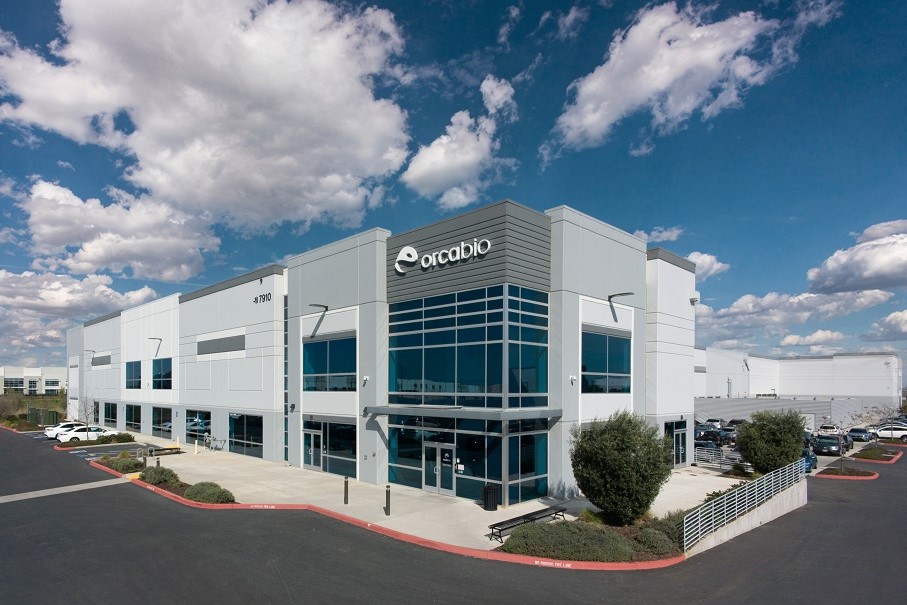
Orca will make Tregzi at a manufacturing facility in Sacramento, California. The turnaround time, from getting the blood sample to infusion in the patient, is about 72 hours. The short time frame is important because the Tregs aren’t frozen or preserved, so eventually they will start dying, Fernhoff said. A patient still needs to first undergo the conditioning regimen to eliminate the diseased blood cells. Tregzi is then administered to seed the new immune system. When conventional T cells are infused days later, they’re received by an environment populated by Tregs to control adverse immune reactions.
The FDA submission for Tregzi was based on an open-label Phase 3 study that compared the experimental cell therapy to a standard stem cell transplant. The blood cancers represented among the study participants were acute myeloid leukemia, acute lymphoid leukemia, and myelodysplastic syndromes. The main trial goal was measuring the time to the earliest occurrence of death or the first onset of moderate or severe chronic GVHD. Results showed fewer deaths and a higher rate of chronic GVHD survival for the Tregzi arm. At one year, 78% of patients in the Tregzi arm were alive at one year without chronic GVHD compared to 38.4% of those in the comparator group. Fernhoff also pointed out that overall survival in Tregzi group was 94%. While that was not statistically significant compared to the 83% mark achieved in the comparator arm — a normal one-year survival number for this patient population — it’s significant for the company.
“We look at this 94% overall survival at one year as an extremely important hypothesis-generating endpoint to say, could Orca-T actually provide better overall survival for patients — we need to do more clinical development to figure that out,” he said. “But that is a critical question that’s coming up for us and a really exciting result out of the Phase 3 study.”
The most common adverse reactions reported in the trial included inflammation of the membranes that line the mouth and digestive tract, diarrhea, rash, and viral infections. The FDA said these side effects were consistent with those expected in patients undergoing stem cell transplants. Detailed Phase 3 results were published earlier this year in the journal Blood.
Additional research is underway to bring Orca’s approach to more patients. Fernhoff said the next logical step is administering Orca-T with reduced conditioning intensity so that the therapy could become available to blood cancer patients who are not a fit for a conventional stem cell transplant. The next program in the pipeline is Orca-Q, which Fernhoff described as “further sculpting” the conventional T cells that are part of the procedure to improve GVHD control. That could enable this therapy to work with a more disparate range of donors types. The consistent theme is broadening access to this type of therapy. But as Orca continues to work on reducing the preconditioning requirements and reaching more patients, Fernhoff said it’s possible Orca’s approach can go beyond cancer.
“We are studying how the drug behaves in acute leukemia patients,” Fernhoff said. “But it is a very short walk, once you establish your safety profile, to then figure out, if you have a severe autoimmune disease, would a drug like this then make sense to treat those patients as well?”
As Orca was preparing for commercialization of Tregzi, the company secured up to $250 million in financing, a combination of a Series F round and debt financing announced last December. Last month, the company announced a second manufacturing facility in Princeton, New Jersey, to further reduce the transit time and meet expected future demand.
In an email, Fernhoff said Tregzi’s wholesale price is $428,000, which the company believes reflects the clinical and economic value of the product, as a one-time therapy and as an intervention that may reduce chronic GVHD. The company expects to take the first Tregzi orders in the coming weeks.
Photo by Orca Bio
